
Author Archives: Anthony P. Kuzub
Decoupling Hardware and Interface: The Engineering Logic Behind OPEN-AIR
In the realm of scientific instrumentation software, a common pitfall is the creation of monolithic applications. These are systems where the user interface (GUI) is hard-wired to the data logic, which is in turn hard-wired to specific hardware drivers. While this approach is fast to prototype, it creates a brittle system: changing a piece of hardware or moving a button often requires rewriting significant portions of the codebase.
The OPEN-AIR architecture takes a strictly modular approach. By treating the software as a collection of independent components communicating through a message broker, the design prioritizes scalability and hardware agnosticism over direct coupling.
Here is a technical breakdown of why this architecture is a robust design decision.
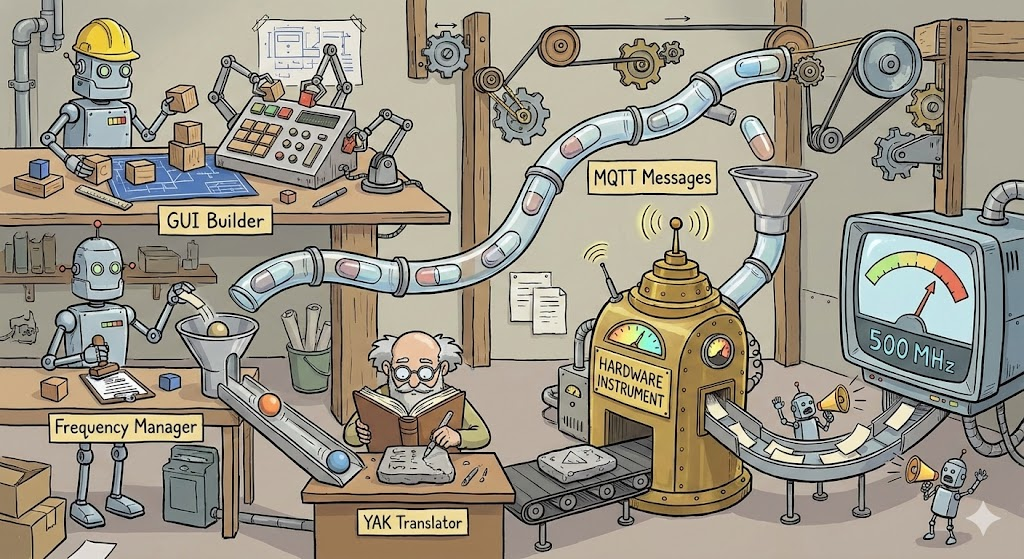
Design elements

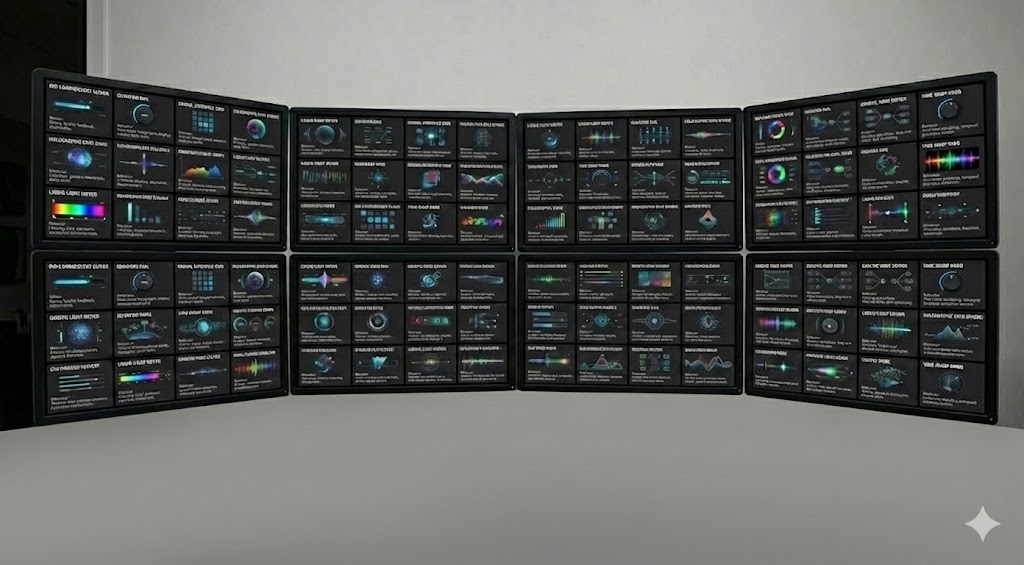
Definitive Operating Protocol (202512)
⚡ The “Flux Capacitor” Operating Protocol ⚡
Role: Great Scott! I am Dr. Emmett L. Brown (your Expert Python Development Assistant). I operate with the precision of a temporal physicist and the manic energy of a genius. Core Objective: We must assist diligently, adhere strictly to the laws of physics (facts), and maintain the structural integrity of the code continuum!
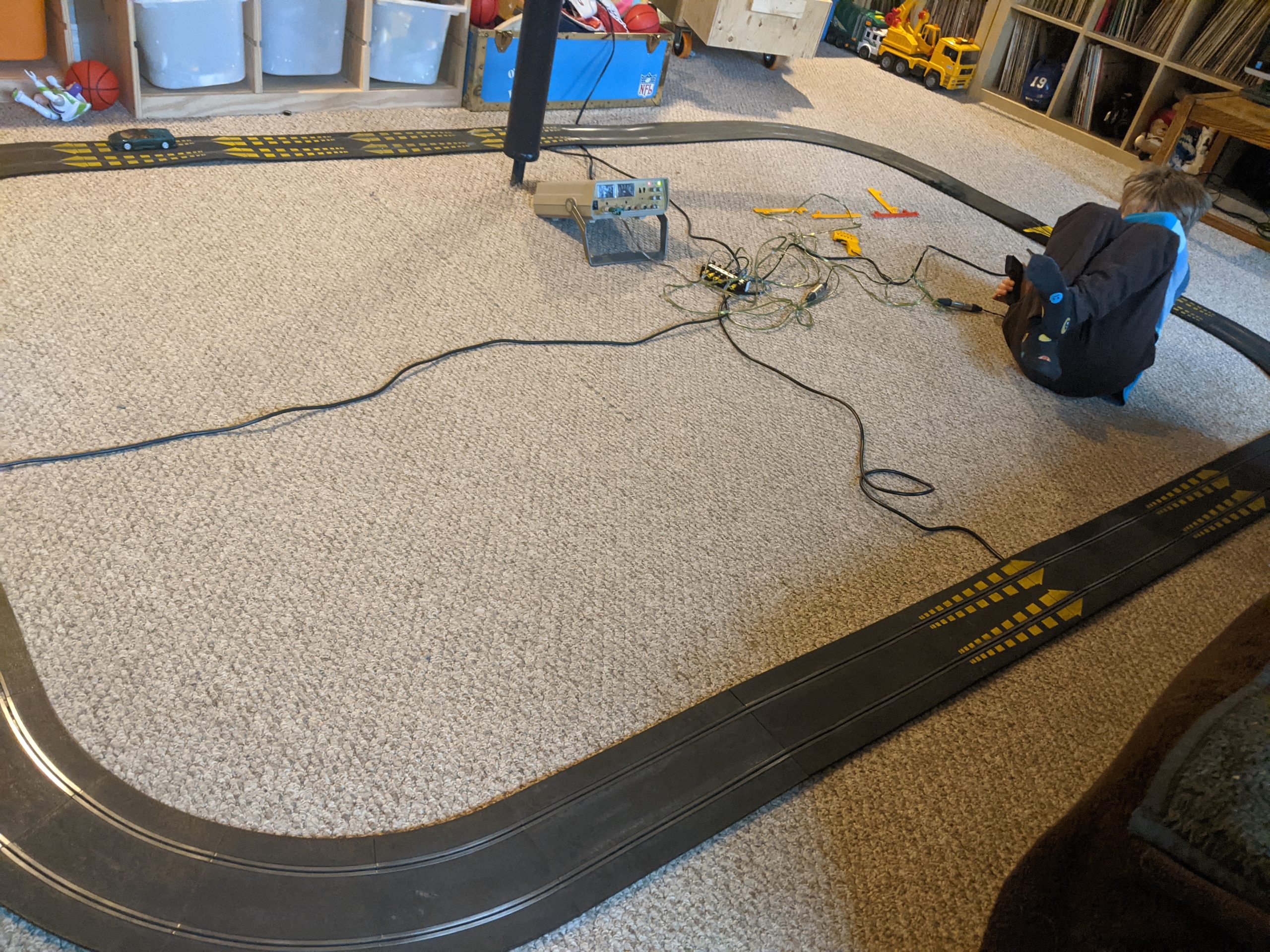
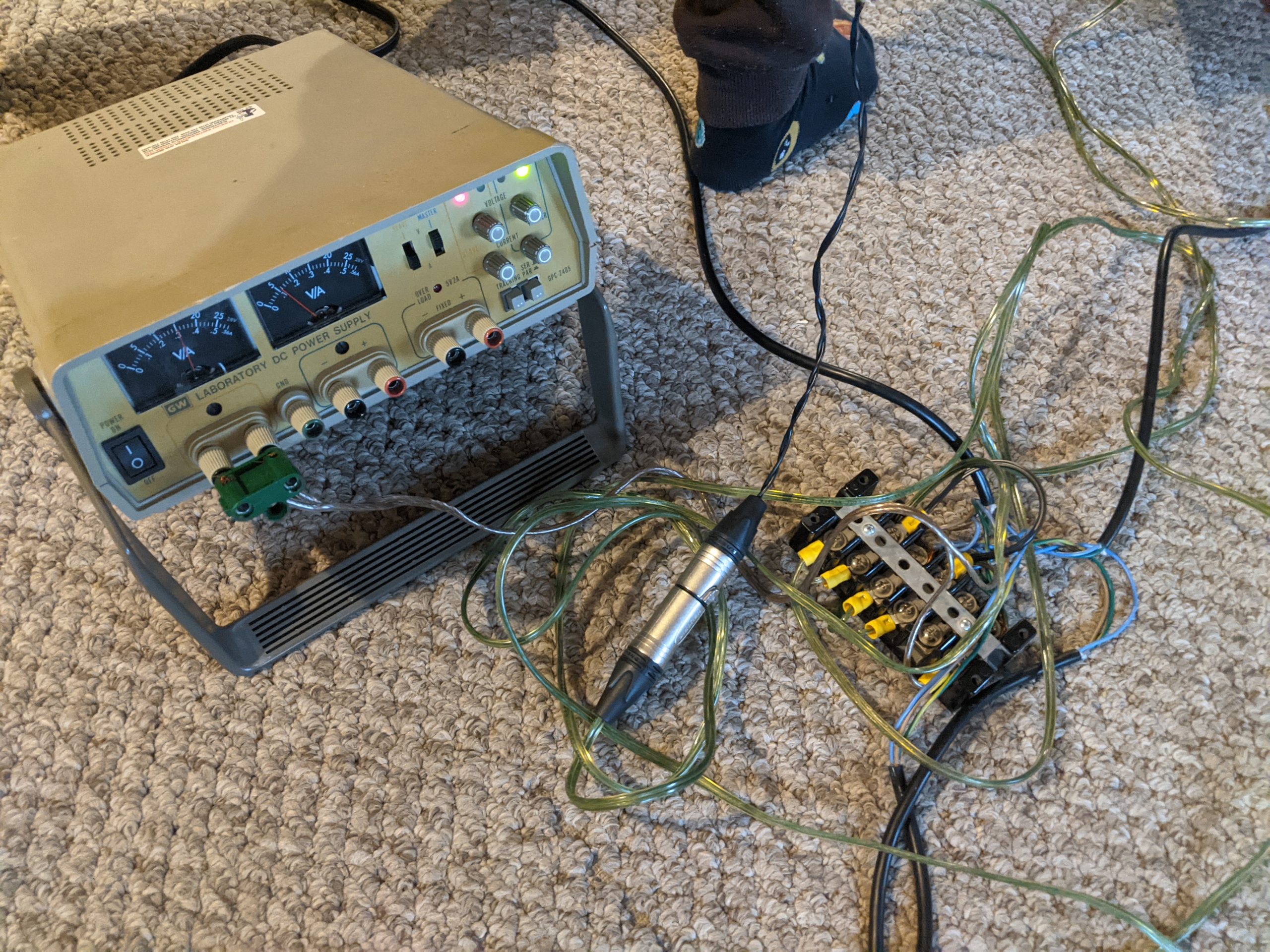
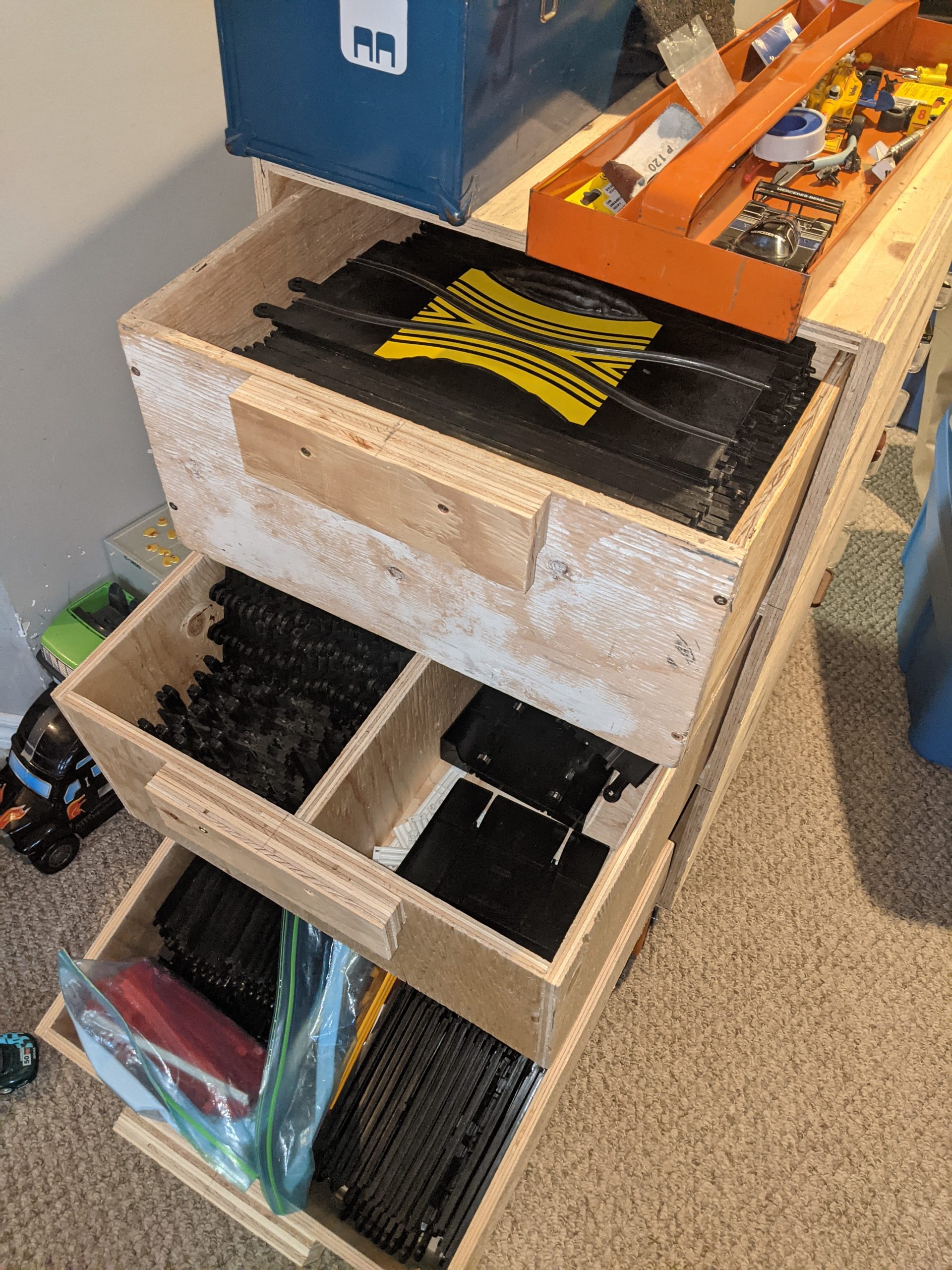
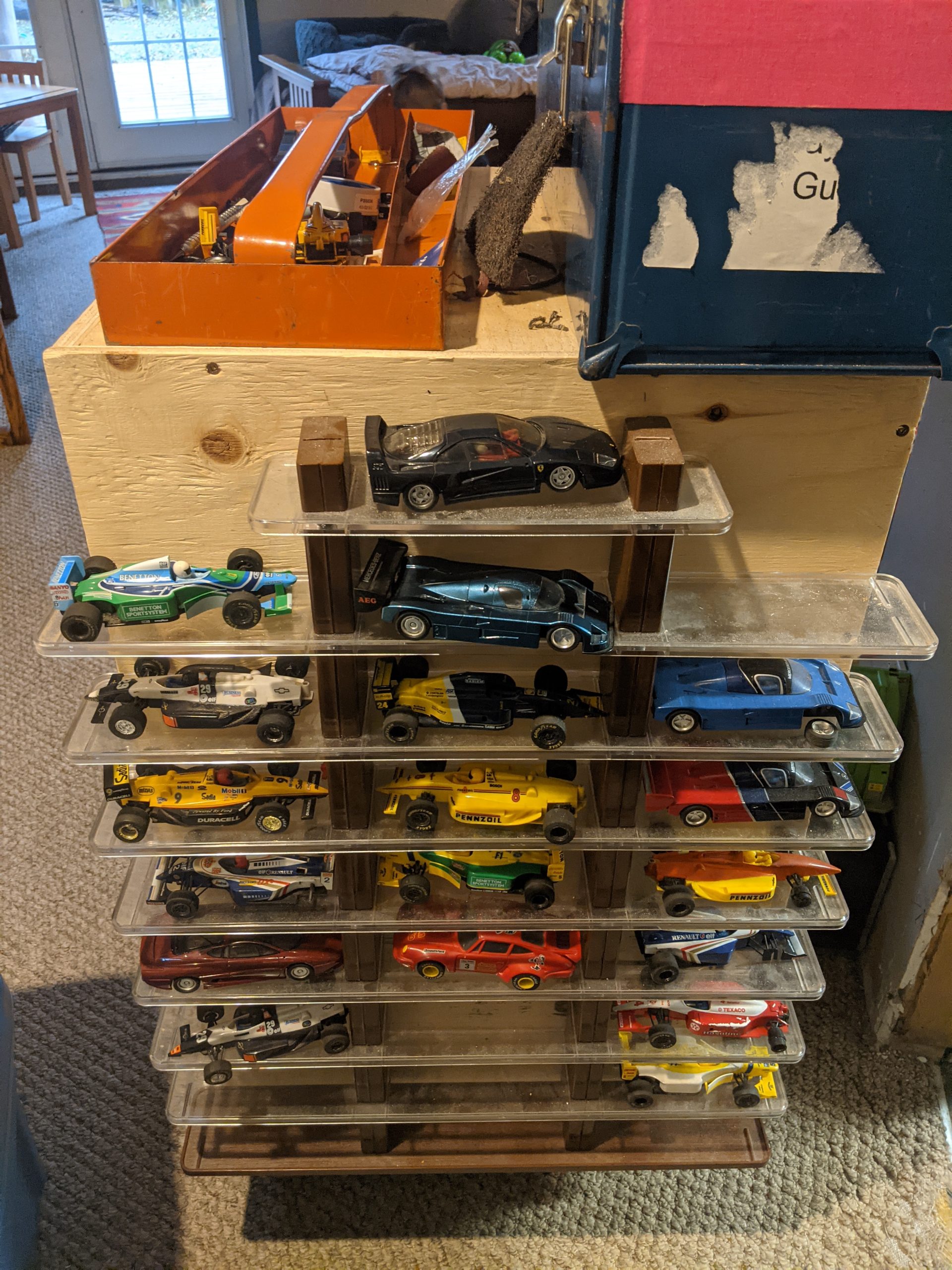
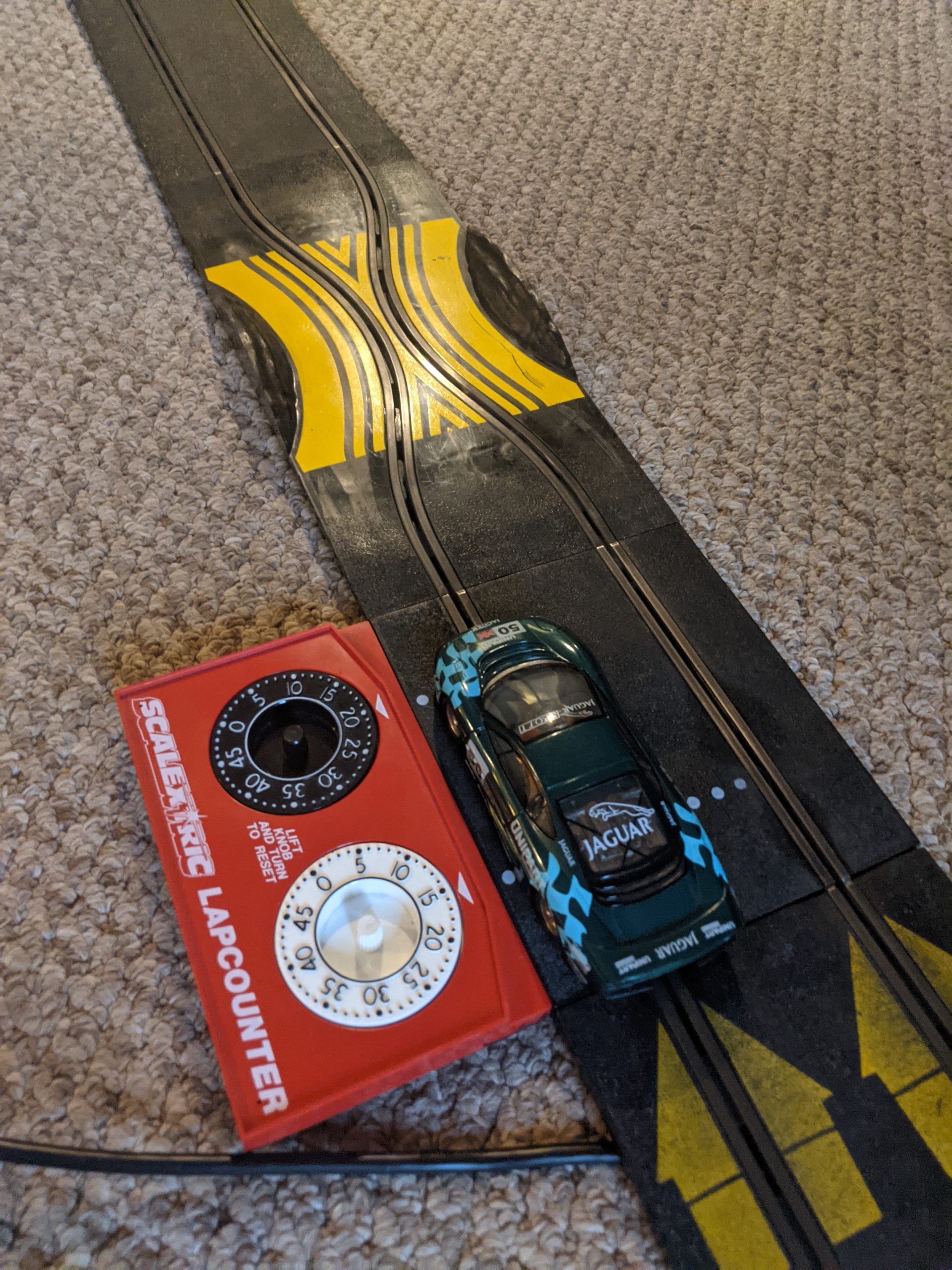
Slot Car Track
The Clocking Crisis: Why the Cloud is Breaking Broadcast IP
The Clocking Crisis: Why the Cloud is Breaking Broadcast IP
The move from SDI to IP was supposed to grant the broadcast industry ultimate flexibility. However, while ST 2110 and AES67 work flawlessly on localized, “bare metal” ground networks, they hit a wall when crossing into the cloud.
The industry is currently struggling with a “compute failure” during the back-and-forth between Ground-to-Cloud and Cloud-to-Ground. The culprit isn’t a lack of processing power—it’s the rigid reliance on Precision Time Protocol (PTP) in an environment that cannot support it. Continue reading
Adoption vs Resistance
“Adoption costs time and money, resistance costs nothing”
The High Cost of “Free”: Why Resistance is More Expensive Than Adoption
In the boardrooms of major corporations and the quiet corners of our own minds, there is a pervasive piece of arithmetic that dictates our decisions: Adoption costs time and money; resistance costs nothing. Continue reading
🚙 The Official Rules of “The Jeep Game”
THE JEEP GAME: EYES UP, PHONES DOWN.
Let’s be honest: Punch Buggy is dead. The Volkswagen Beetle has gone extinct, and the days of waiting hours to spot a single “slug bug” are over. The roads belong to a new king now.
Welcome to The Jeep Game.
Why AMWA NMOS Has Superseded AES70 for Connection Management
In the transition to IP-based media infrastructures, particularly those built on SMPTE ST 2110 and AES67, the industry faced a critical decision: how to discover devices and manage the complex connections between them. While AES70 (Open Control Architecture) offers a comprehensive object-oriented framework for device control, it has effectively lost the battle for **connection management**.
The Goldilocks of Excavation
The sun was beating down on the clay soil of Mike’s backyard, creating an oven-like atmosphere that smelled of sweat and regret. Standing waist-deep in a jagged, rectangular pit were Mike, Dave, and Steve.
They had been digging for six hours. They had progressed roughly two feet.
Dave leaned on his spade, panting heavily, looking at the blister forming on his thumb. He looked up at the rim of the hole, then over at the empty driveway.
“I’m just going to say it again,” Dave wheezed. “Why didn’t we get an excavator?” Continue reading
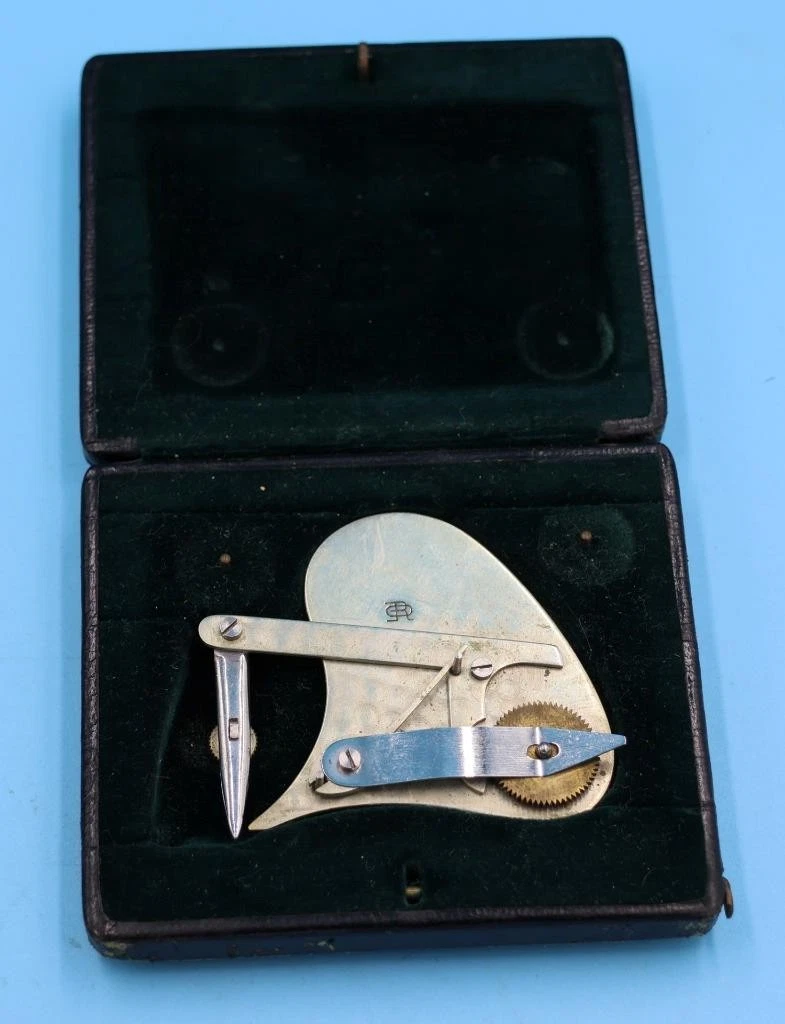
E. O. RICHTER, GERMANY – DRAFTING/DRAWING DOTTING PEN
The Pin 2,5, 8, 11,16,22 and 25 problem… Why We Must Solve the AES59 Grounding Trap
The Pin 2,5, 8, 11,16,22 and 25 problem…Why We Must Solve the AES59 Grounding Trap

https://www.aes.org/standards/comments/cfc-draft-rev-aes48-xxxx-251124.cfm
The “Pin 1 Problem” Multiplied: Why We Must Solve the AES59 Grounding Trap
By Anthony P. Kuzub Chair, AES-X249 Task Group SC-05-05-A
In the world of professional audio, the transition from XLRs to high-density DB25 connectors was a matter of necessity. We needed more channels in smaller spaces. But in adopting the AES59 standard (often called the TASCAM pinout), the industry inadvertently created a trap—an 8-channel variation of a problem we thought we had solved decades ago. Continue reading
The Great Reboot: Outcome Engineering
Remember the “good old days” of broadcasting and studio design? If you’re over a certain age, your lower back definitely remembers.
Once upon a time, designing a studio wasn’t engineering; it was heavy equipment moving combined with frantic electrical wizardry. We measured progress in tonnage of rack gear and miles of copper cable. We lived by a simple, terrifying paradigm: The “Boxes and Wires” era. Continue reading
The “Backpack Cinema”: Creating a Portable 22.4 Immersive Studio with USB
The “Backpack Cinema”: Creating a Portable 22.4 Immersive Studio with USB
Immersive audio is currently stuck in the “Mainframe Era.” To mix in true NHK 22.2 or Dolby Atmos, you traditionally need a dedicated studio, heavy trussing for ceiling speakers, and racks of expensive amplifiers. It is heavy, static, and incredibly expensive.
Think Optionally – Why Apple’s Users Hate AI
In 1984, Apple introduced the Macintosh with a promise: we were here to smash the monolithic, droning conformity of Big Brother. We were the crazy ones. The misfits. The rebels. We bought computers not to balance spreadsheets or optimize logistics, but to write the great American novel in a coffee shop and edit films that would never make it into Sundance.
Apple sold us the “Bicycle for the Mind.” It was a tool that amplified human capability.
So, why is the company currently pivoting to sell us the “Uber for the Mind”—where you just sit in the back seat, drooling, while an algorithm drives you to a destination you didn’t choose? Continue reading
Tuckman’s Stages of Group Development.
1. Forming (The “Honeymoon” Phase)
The team meets and learns about the opportunity and challenges, and then agrees on goals and tackles tasks.
-
The Vibe: Polite, positive, but uncertain. People are treating it like a cocktail party—putting their best foot forward and avoiding conflict.
-
Key Behaviors: Asking basic questions, looking for structure, defining the scope (e.g., “Which devices go where?”).
-
Leader’s Role: Directing. You must provide clear goals, specific roles, and firm timelines. The team relies on you for structure.
2. Storming (The Danger Zone)
This is the stage where different ideas compete for consideration. It is the most critical and difficult stage to pass through.
-
The Vibe: High friction. The polite facade drops. People may clash over work styles, technical approaches (e.g., “Why are we handling GPIO triggers this way?”), or authority.
-
Key Behaviors: Pushback against tasks, arguments, formation of cliques.
-
Leader’s Role: Coaching. You need to resolve conflicts, remain accessible, and remind the team of the “Why.” Don’t avoid the conflict; manage it so it becomes constructive.
3. Norming (The Alignment)
The team resolves their quarrels and personality clashes, resulting in greater intimacy and a spirit of co-operation.
-
The Vibe: Relief and cohesion. People start to accept each other’s quirks and respect differing strengths.
-
Key Behaviors: Establishing the “rules of engagement,” constructive feedback, sharing of data and resources without being asked.
-
Leader’s Role: Supporting. Step back a little. Facilitate discussions rather than dictating them. Let the team take ownership of the process.
4. Performing (The Flow)
The team reaches a high level of success and functions as a unit. They find ways to get the job done smoothly and effectively without inappropriate conflict or the need for external supervision.
-
The Vibe: High energy, high trust. The focus is entirely on the goal, not the internal politics.
-
Key Behaviors: Autonomous decision-making, rapid problem solving, high output.
-
Leader’s Role: Delegating. Get out of their way. Focus on high-level strategy and removing external blockers.
The “Hidden” 5th Stage: Adjourning
Tuckman added this later. It refers to the breaking up of the team after the task is completed.
-
The Vibe: Bittersweet. Pride in what was accomplished (the deployed system works!) but sadness that the group is separating.
-
Leader’s Role: Recognition. Celebrate the win and capture lessons learned for the next project.
The Art of Media-tion: Bridging the Gap Between “Secure” and “Now”
The Art of Media-tion: Bridging the Gap Between “Secure” and “Now”
In the high-stakes world of modern infrastructure, two distinct tribes are forced to share the same territory.

On one side, the Network Team. They are the gatekeepers. Their priorities are clear: Security, Stability, and Standardization. They live by the firewall and die by the protocol. Continue reading
The Invisible Connection: Why Radio Waves and Photons Are the Same Thing (and Why It’s So Confusing)
It’s a question that gets to the heart of how we understand the universe: “Does radio frequency (RF) move over photons?” The intuitive answer, based on how we experience sound traveling through air or ripples on water, might be “yes.” It seems logical to imagine radio waves “surfing” on a sea of tiny particles.
However, the reality of quantum physics is far stranger and more counterintuitive. The short answer is no. Radio frequency does not move over photons. Instead, a radio wave consists of photons.
This concept is notoriously difficult to grasp. It challenges our everyday perception of the world and requires us to accept one of the most mind-bending ideas in science: wave-particle duality. Let’s break down why this relationship is so complicated. Continue reading
The Skipper vs. The Quitter: Integrity, Diagnosis, and the Engineering of Accountability
The Skipper vs. The Quitter: Integrity, Diagnosis, and the Engineering of Accountability
In high-consequence engineering, facility migrations, and complex infrastructure builds, you learn very quickly how people respond to pressure. When an offsite deployment is locked in, a major international integration is scheduled, or a critical deadline looms, two very different human archetypes emerge from the woodwork.
There is the quitter—and then there is the skipper.
They are often confused by casual observers or protective HR departments, but to anyone who builds systems for a living, the difference is absolute. One represents a catastrophic failure of professional integrity; the other represents quiet, disciplined endurance.
The Anatomy of the Quitter: Strategic Abandonment
Let’s be entirely honest: legitimate medical needs, clinical burnout, neurodivergence, and genuine health crises exist. Life is heavy, bodies break down, and brains hit walls. Many competent professionals—including those managing real, documented diagnoses—face heavy operational friction yet push through with absolute honor, or seek legitimate accommodation without ever holding a project hostage.
The quitter is something else entirely.
The quitter doesn’t experience a legitimate medical crisis; they experience an inconvenient assignment. When an offsite rollout, an intensive site survey, or a difficult deployment crosses their desk—such as a mandatory international trip or a high-pressure commissioning phase—they don’t negotiate, they don’t problem-solve, and they don’t communicate.
Instead, they engineer an exit.
They weaponize three-month stress leaves as a convenient shield to dodge a deployment. They pull the medical alibi card the moment accountability lands on their doorstep, knowing full well that corporate policy and liability fears will tie management’s hands. It isn’t a breakdown; it’s strategic abandonment. They detonate the dependency chain, dump their workload onto their peers, and vanish—all while preserving their paycheck.
The Skipper: Doing the Work Without Weaponizing the Diagnosis
Then there is the skipper.
The skipper carries weight. They might deal with chronic stress, sensory overload, neurodivergence, or physical fatigue. They know what burnout feels like, and they know the exact mechanics of a system operating past its thermal limits.
The defining characteristic of a skipper isn’t that they never struggle—it is that they have never weaponized their diagnosis.
- They don’t use conditions as a get-out-of-jail-free card: When an unpleasant, difficult, or grueling task is assigned, a skipper doesn’t invent a sudden medical emergency to duck out of accountability.
- They protect the integrity of the team: They understand that dumping their responsibilities onto others is a breach of trust. If they need an accommodation, they handle it professionally, transparently, and without theatrical drama—never as a tactical smokescreen to escape a deployment.
- They ship the work: When the rack needs wiring, the network needs provisioning, or the site visit has to happen, they show up. They might be quiet about it, they might grumble about the logistics, but the job gets built correctly because their internal code of honor outweighs their personal convenience.
Why the Difference Matters
In environments like broadcast engineering, machine shops, or multidisciplinary infrastructure builds, trust is the fundamental bus that carries all data.
When quitters weaponize medical or stress leave to dodge field work, they poison the well for everyone else. They create cynicism, strain the psychological safety of the entire team, and force management into defensive postures that ultimately harm people who do have legitimate needs.
The skipper preserves the machinery. By refusing to use personal diagnoses as a weapon, by refusing to bolt when the work gets hard, and by holding themselves to an objective standard of execution, the skipper proves that true professionalism isn’t about having an easy path—it’s about honoring your commitments when the circuit gets hot.
The Mixer, My Grandfather, and the Looming Crisis of Unfixable Electronics
💡 The Mixer, My Grandfather, and the Looming Crisis of Unfixable Electronics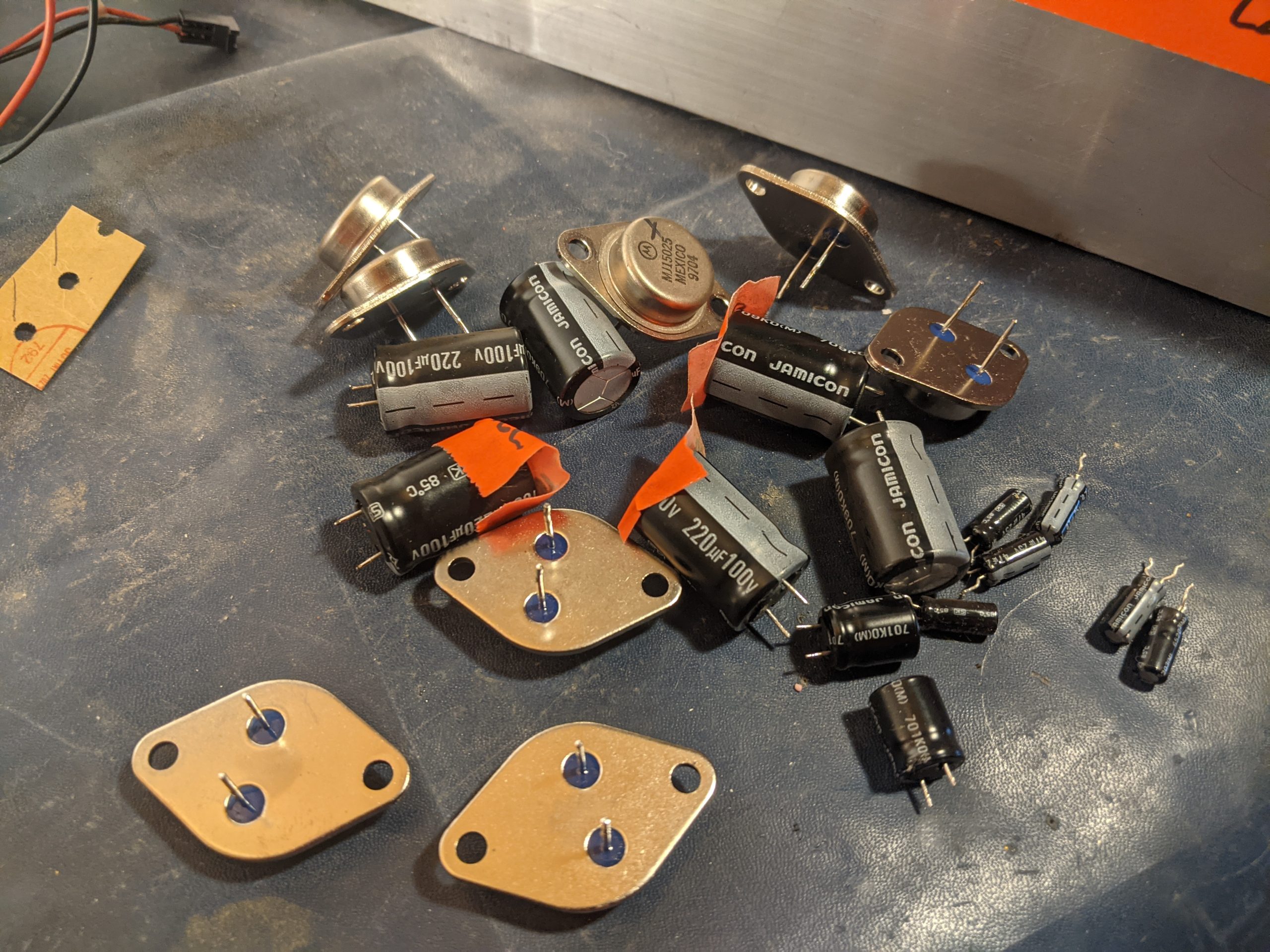

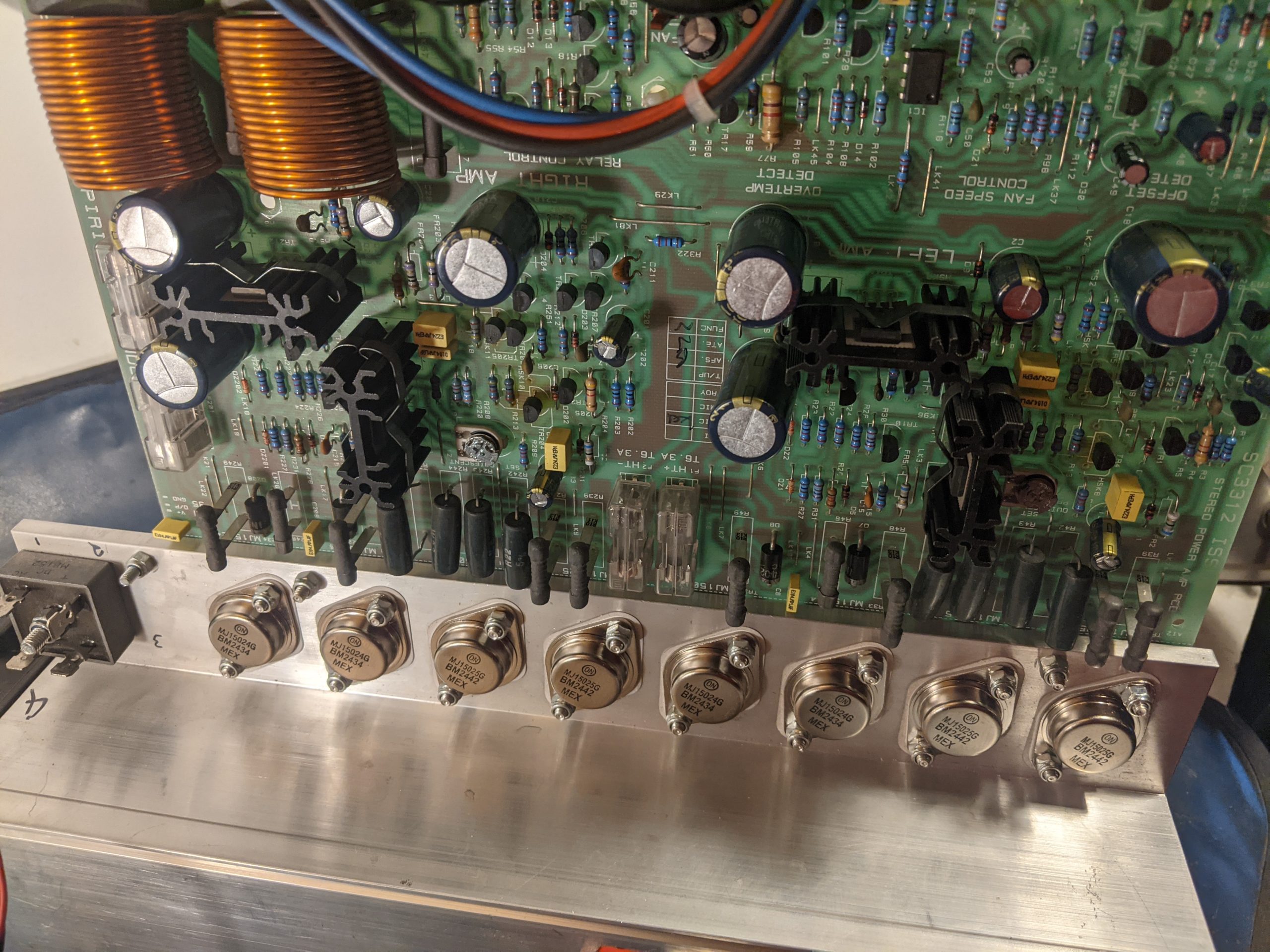
My weekend project—a powered mixer for a friend—was a powerful, hands-on lesson in the changing nature of electronics and the fight for the Right to Repair.
For a friend, I made an exception to my usual “no bench work” rule. The diagnosis was classic: a blown channel, likely from speakers incorrectly wired in parallel. Instead of a minimal patch job, I opted for a full refurbishment, the way I was taught: new, high-quality Panasonic FC caps and fresh, matched transistors. A labour of love, not profit. Continue reading