





Monthly Archives: November 2026
Making Software for Broadcasting Using AI by Anthony Kuzub
Exposing Toxic Tactics in Technical Environments
The Engineering Anatomy of Bad Faith: Exposing Toxic Tactics in Technical Environments
When you operate with the absolute determinism of an engineer—where systems either work or they don’t, schematics don’t lie, and code compiles based on pure logic—dealing with office politics feels like debugging a corrupted ROM.
If you are an autistic systems designer, an infrastructure architect, or anyone who values raw competence over social theatre, the hardest part of any project isn’t the physics or the code. It’s the humans who actively work against it. When insecure, mediocre, or malicious actors realize they cannot win an argument using technical merit, they don’t suddenly become honest engineers. They escalate.
When transparency and clarity back them into a corner, they deploy a specific catalog of dirty, bad-faith tactics designed to stall progress, protect their turf, and preserve their “black box” monopolies. To survive these operators without burning out on human drama, you have to treat their behavior like documented fault conditions.
Here is a breakdown of eight major bad-faith tactics, complete with real-world examples, what to look out for, and how to neutralize them.
1. Weaponized Ambiguity
- The Point: Incompetent actors instinctively retreat into the fog. Clarity forces accountability. If a requirement is specific and measurable, everyone instantly knows who is delivering and who is stalling. Ambiguity gives them a place to hide.
- Point-Proof Example: In a broadcast facility migration, you ask a legacy engineer to sign off on a new ST 2110 IP routing topology. Instead of reviewing the switch configurations or pointing to a packet drop issue, they cross their arms and say, “We just need to make sure we’re looking at the big picture here. I’m worried about the holistic alignment of the facility.” They offer zero concrete metrics, no port numbers, and no schema rules—just a vague cloud of doubt designed to freeze the schedule.
- What to Look Out For: Vague, unfalsifiable objections (“This feels risky,” “We need more synergy,” “It’s too rigid”) that never reference a specific line of code, a schematic error, or a test bench log. If they cannot point to a quantifiable failure, the objection is invalid.
- The Fix: Demand telemetry. Force them to translate every vague concern into a measurable parameter or a specific standard clause.
2. The Manufactured “Hair-on-Fire” Crisis
- The Point: When a project runs smoothly, transparently, and ahead of schedule, it exposes the gatekeeper’s irrelevance. To regain control and center themselves as the “hero,” they manufacture an artificial emergency out of thin air.
- Point-Proof Example: Two days before a major milestone, a resistant stakeholder suddenly bursts into the lab claiming, “We can’t deploy this wiring harness! The grounding scheme violates legacy safety codes!” They demand an immediate, panicky halt to the entire assembly line. When you demand to see the manual or code standard backing up the claim, they scramble, stall, and admit they “heard it from a guy” or didn’t actually check the documentation.
- What to Look Out For: Sudden, high-urgency roadblocks raised right before a deadline by people who have been silent for weeks. If an emergency lacks immediate, verifiable telemetry or documentation to back it up, treat it as a stalling tactic.
- The Fix: Apply the evidentiary burden test. Require immediate test bench logs, packet captures, or code linters to prove the emergency before pausing the assembly line.
3. Strategic Incompetence (Malicious Compliance)
- The Point: When forced to execute a task they despise or a project they didn’t ask for, toxic operators won’t refuse outright—that leaves an undeniable paper trail. Instead, they execute the task with deliberate, passive-aggressive flaws so they can claim they “tried” while quietly breaking the deliverable.
- Point-Proof Example: You task a disgruntled technician with wiring a multi-pin connector for a control system, providing a clear pinout diagram. They return it with two wires swapped, causing a short. When you call it out, they shrug, smirk, and play the victim: “Oh well, I’m just not as good at soldering as you guys,” or “You never explicitly told me pin 3 was ground.”
- What to Look Out For: Sudden, uncharacteristic clumsiness on straightforward tasks from experienced professionals, followed immediately by self-deprecating excuses designed to shift the burden of fixing their mess back onto you.
- The Fix: Remove subjective execution entirely. Require automated validation, multi-meter continuity test photos, or strict pinout diagrams before sign-off.
4. Gaslighting Through Technical Obscurity
- The Point: When cornered on a bad design or an outdated architecture, bad actors will invent entirely fictitious technical constraints, manufacturer myths, or physical impossibilities to intimidate you into backing down.
- Point-Proof Example: You propose modern network automation scripts to update a bank of switch configurations. An insecure gatekeeper looks you dead in the eye and insists, “You can’t run scripts across those switches; the backplane architecture will lock up the management VLAN and brick the hardware.” They say it with absolute, unshakeable confidence—even though it completely contradicts the manufacturer’s RFC documentation.
- What to Look Out For: Absolute statements about technical limitations that sound authoritative but lack any reference to a datasheet, manual, or standard. When in doubt, pull up the spec sheet on the spot. Synthetic confidence evaporates the moment a PDF is opened.
- The Fix: Instantly counter with published standards, manufacturer data sheets, or RFC documentation.
5. Scope Creep Ambush (The “By-The-Way” Injection)
- The Point: Waiting until a design review is nearly finalized, a build is locked, or a deployment window is closing to casually drop a massive, unvetted requirement or objection.
- Point-Proof Example: You and the team spend three weeks finalizing a bulletproof signal flow or network architecture for a facility migration, and at the final sign-off meeting, they say: “Oh, by the way, did we account for legacy multi-channel analog tie-lines over an old copper patchbay? Because management really wants that included.” They do this not because it’s a vital engineering need, but to force a reset, invalidate your progress, and prove that nothing can finish without their blessing.
- What to Look Out For: Sudden, late-stage rule changes that lack written backing in the master scope or user requirements.
- The Fix: Institute the “Change Order Gate.” Any structural addition introduced after the architectural freeze date requires a formal, written change request and impact analysis. If it isn’t in the version-controlled spec doc, it gets deferred to Phase 2.
6. The Credibility Smear (Weaponized Pedantry)
- The Point: Nitpicking trivial, non-functional details in your work while completely ignoring the core architectural success, using those minor points to publicly cast doubt on your entire competence.
- Point-Proof Example: You design a flawless, high-reliability AES67 network topology with redundant PTP grandmasters, but they spend twenty minutes in a review meeting publicly obsessing over the fact that a line on a secondary schematic diagram is offset by two pixels or that a text label uses an unapproved font weight. They blow it out of proportion to imply: “If he’s sloppy about this label, who knows what’s wrong with the rest of the system?”
- What to Look Out For: Disproportionate focus on cosmetic or utterly inconsequential trivia during technical reviews, coupled with a complete silence on the actual hardware or software logic.
- The Fix: Separate style from substance. Acknowledge the cosmetic fix instantly with zero emotion (“Good catch on the label, I’ll update the tag”), and immediately snap the conversation back to the core architecture: “Now, let’s return to the packet loss metrics and clock synchronization data.”
7. Permission Hoarding (The Bureaucratic Tollbooth)
- The Point: Using administrative rules, corporate bureaucracy, or arbitrary sign-off chains as a tollbooth to delay your work, while quietly bypassing those same rules themselves when it suits them.
- Point-Proof Example: When you need a component ordered, a firewall port opened, or a lab access badge cleared, they sit on the paperwork for two weeks citing “compliance reviews.” But when they need a change made, they bypass the ticket queue and pressure IT or management directly. They use institutional red tape as a weapon to starve your timeline.
- What to Look Out For: Unexplained bottlenecks on administrative approvals where your direct requests stall out indefinitely without technical justification.
- The Fix: Parallelize and expose. Map out approval dependencies transparently and escalate stalled administrative requests publicly to management with exact timestamps.
8. The “Safety” Alibi (Weaponized Compliance)
- The Point: Pretending to care deeply about safety, standards, or institutional policy only when it blocks something they personally dislike or didn’t think of first.
- Point-Proof Example: They have never once checked an electrical grounding bus, an AES48 shield termination, or an EMC compliance report in their lives. But the moment you propose a streamlined new workflow or hardware layout, they suddenly morph into zealous safety inspectors: “I’m just worried about liability and code compliance here,” raising vague, unfounded fears about electrical or structural risk to kill momentum.
- What to Look Out For: Selective enforcement of rules—they ignore glaring safety or standards violations in their own preferred legacy systems, but demand microscopic compliance for anything you touch.
- The Fix: Ask for the code clause. Demand the exact statute, engineering standard, or manufacturer specification: “Which section of the NEC, AES, or ISO standard prohibits this topology? Show me the clause.”
The Bottom Line
You do not need to out-politick these operators, and you certainly don’t need to stroke their egos.
When you treat office politics like an uncalibrated circuit—identifying the fault, stripping away the ambiguity, demanding data over drama, and enforcing automated validation gates—the bad-faith actors run out of oxygen. Protect your focus, demand the telemetry, and let the architecture speak for itself.
Engineering Leadership Through Autistic Clarity
Engineering Leadership Through Autistic Clarity
If you ask most engineers on the spectrum what they think of modern “leadership advice,” the polite answer usually involves a heavy sigh. The unvarnished truth? Traditional leadership is often taught as an endless exercise in emotional babysitting, corporate theatre, and navigating unpredictable human friction.
If you hate leading people, it is usually because standard management paradigms are designed for extroverts who thrive on nuance, office politics, and subtext. For brains wired to optimize physical or digital systems, maintain signal integrity, and build things with absolute determinism, this “human static” is pure exhaustion. Systems don’t lie, schematics don’t have hidden emotional agendas, and code doesn’t try to manipulate you.
When you just want to design, build, and fix things in peace, dealing with resistant colleagues, saboteurs, or bureaucratic bottlenecks feels like debugging faulty hardware with a blunt instrument. But when responsibility falls on your shoulders, how do you execute complex projects without burning out on human drama?
You stop trying to “lead” and start treating human interaction like an API.
1. Stop Managing People; Design Protocols
You do not need to become a charismatic, cheerleading executive to get things built. Treat human interaction with the same strict determinism you apply to engineering architecture.
- Define Unambiguous APIs: Give people clear, binary inputs and expect deterministic outputs. Eliminate vague expectations, emotional subtext, and guesswork.
- Automate the Friction: Just as you use automated linting gates or version control to stop bad code from breaking a repository, set up rigid operational constraints so people don’t need your constant emotional intervention. When processes are clearly documented and transparent, human emotional interference drops drastically.
2. Treat Toxic People Like Faulty Hardware
In high-consequence environments—whether you are architecting broadcast infrastructure, managing multi-disciplinary engineering projects, or working in a machine shop—you will occasionally inherit team members who view your project as a threat to their status quo. Some may even cross the line into active sabotage out of fear of obsolescence or “Napoleon syndrome.”
When this happens, emotional engagement is a trap.
- Isolate and Diagnose: Do not get angry at a broken capacitor; you diagnose the failure, isolate it, replace it, or route around it. Apply that exact clinical detachment to toxic personnel.
- Strip the Black Box: Insecure gatekeepers love to hoard information. Force architectural transparency. Mandate that all schematics, code, and documentation live in an open, version-controlled repository. Neutralizing their monopoly on knowledge strips away the currency they use to cause friction.
3. Build Systems That Eliminate the Need for Managers
The ultimate engineering solution to hating management is to design systems where nobody has to manage anyone.
- Objective Review Gates: Replace single-point subjective sign-offs with distributed, multi-person, or automated technical review boards. When approvals rely on objective compliance rather than one person’s ego or mood, gatekeepers lose their leverage.
- Self-Documenting Workflows: Build self-documenting workflows where progress is self-evident. If a project is structured correctly, the architecture speaks for itself, and people either conform to the standards of the system or eject themselves from it naturally.
The Bottom Line
You don’t have to love people, and you certainly don’t have to love “leadership” as it’s sold in corporate seminars.
You just have to build the framework that lets the work get done. Protect your hyperfocus, guard your energy, and let the clarity of the system do the heavy lifting.
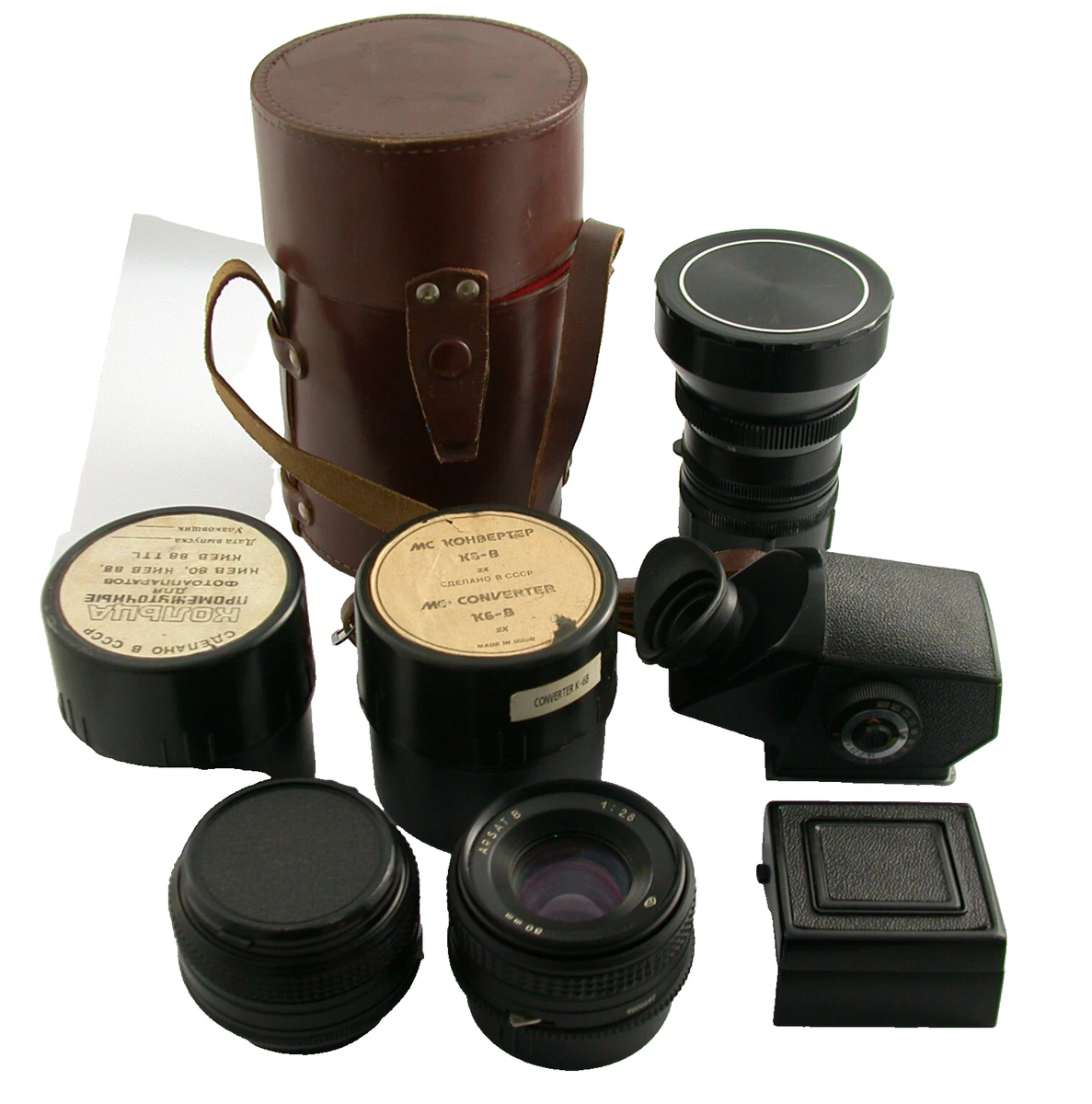
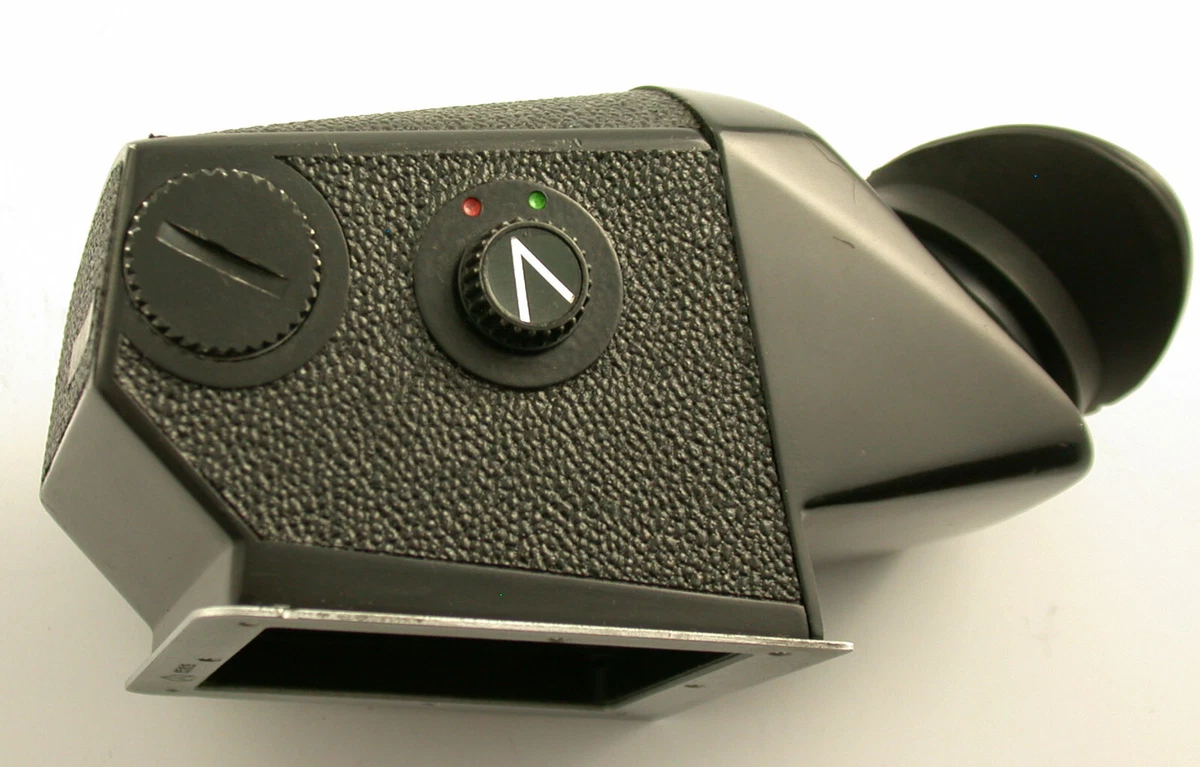
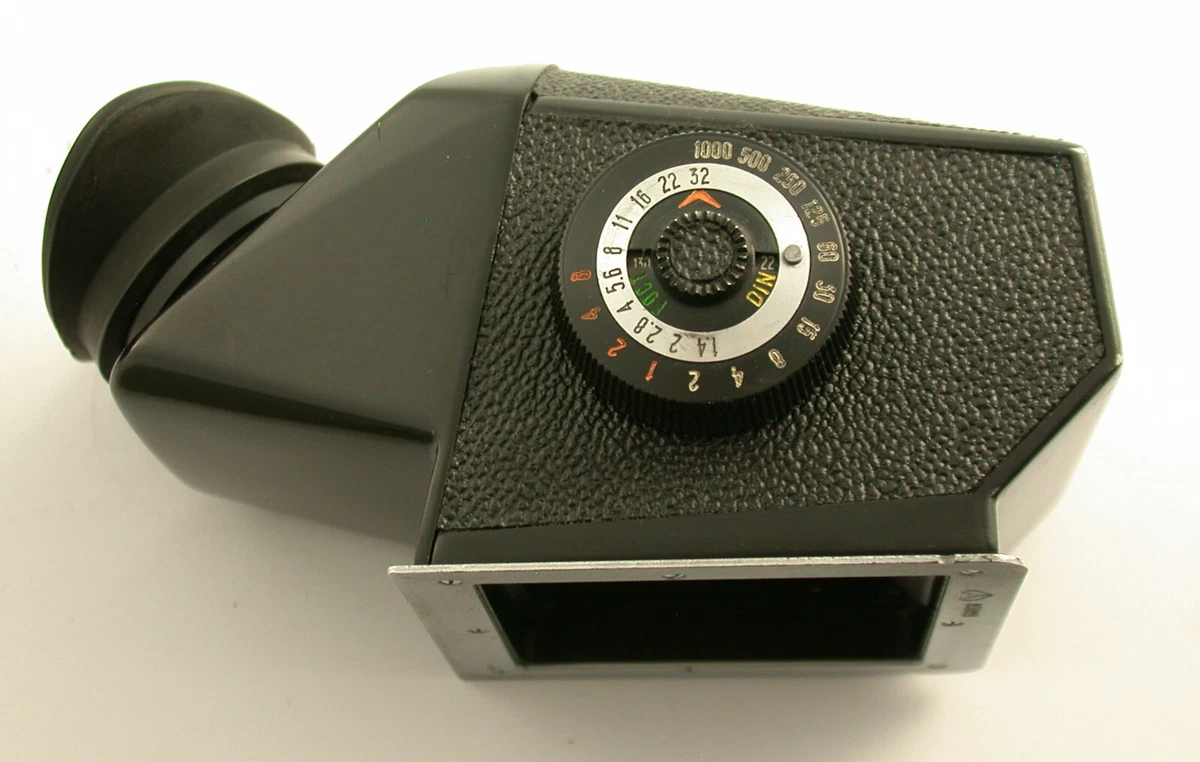
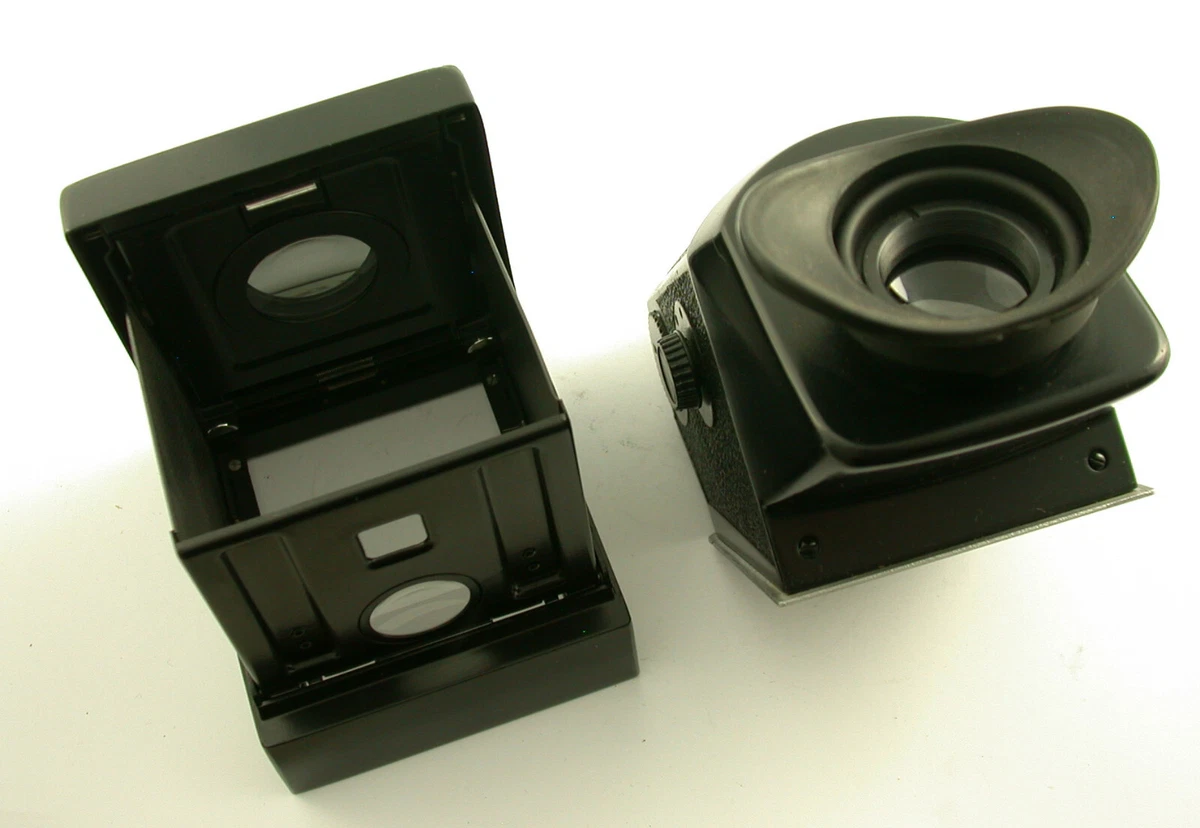
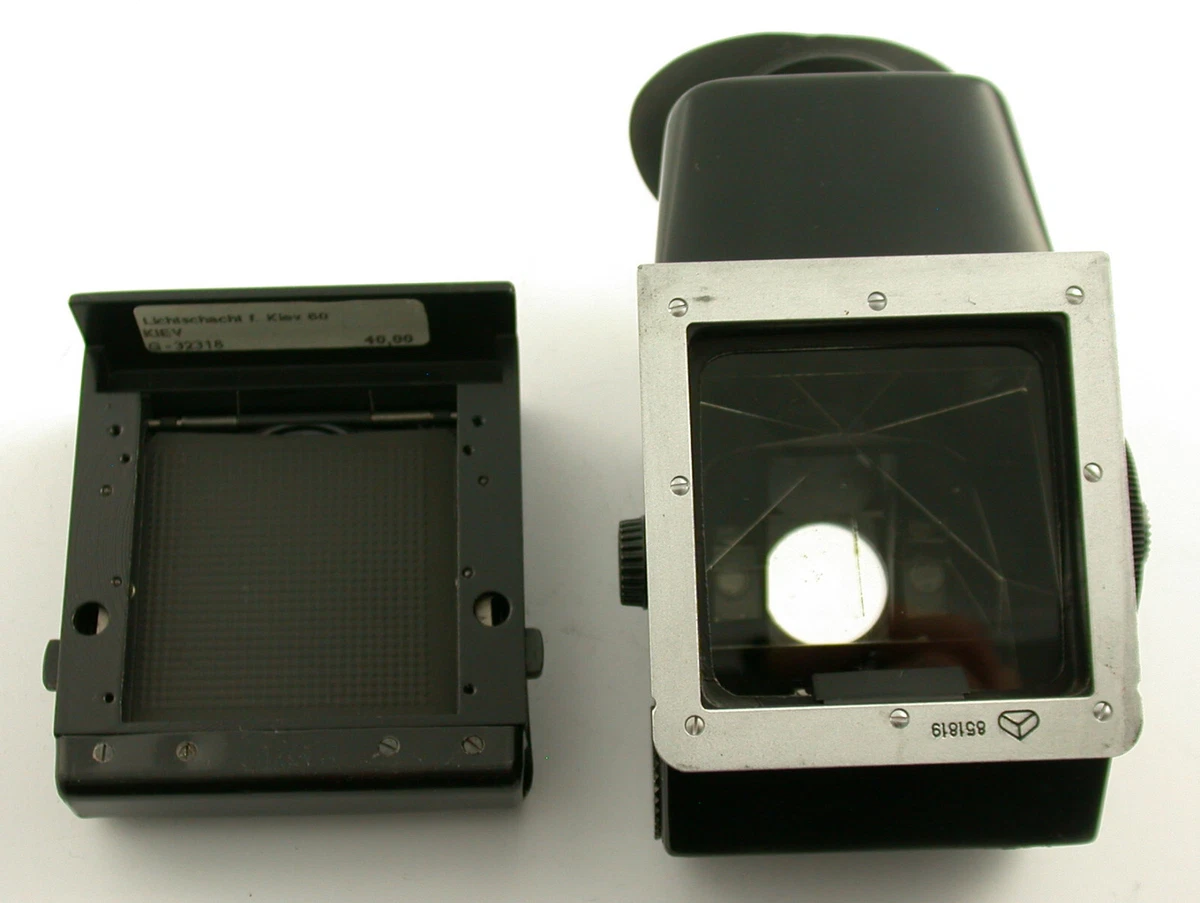
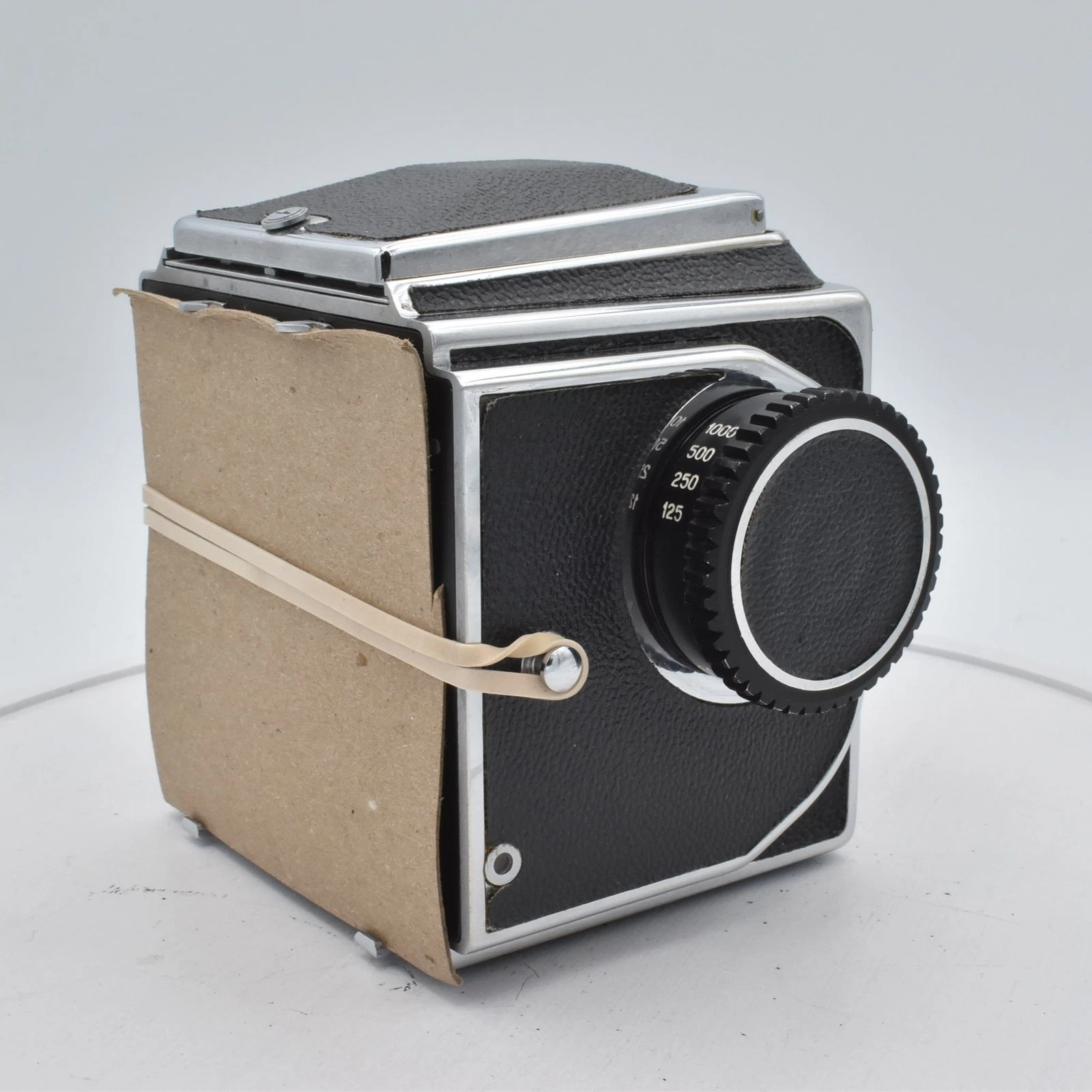
Arsenal Kiev 88 Medium Format Camera Body


Why Modularity is Software’s Hardest Problem
Why Modularity is Software’s Hardest Problem (And Why LLMs Are Built to Solve It)
If you ask a seasoned engineer what the hardest part of software engineering is, they won’t say writing algorithms, learning syntax, or configuring databases. They will tell you it is modularity—deciding where to draw the lines between different pieces of code.
For beginner developers, modularity often feels like an abstract rule teachers or senior devs harp on: “Keep your functions small,” “Don’t repeat yourself,” or “Separate your concerns.” But as applications grow from a few hundred lines into massive production systems, modularity becomes the thin red line keeping your codebase from collapsing into a giant bowl of spaghetti.
Surprisingly, while humans struggle immensely with drawing these boundaries, Large Language Models (LLMs) are uniquely brilliant at it.
Why Modularity is Unnaturally Hard for Humans
Human brains are incredible at depth, but terrible at scale. When writing code, we suffer from cognitive tunnel vision:
-
The Curse of Context: When you are heads-down building a feature, it is easy to let two unrelated things bleed together. You need a database value inside a UI component, so you just query the database right inside the button click handler. It works today, but it creates a hidden trapdoor for tomorrow.
-
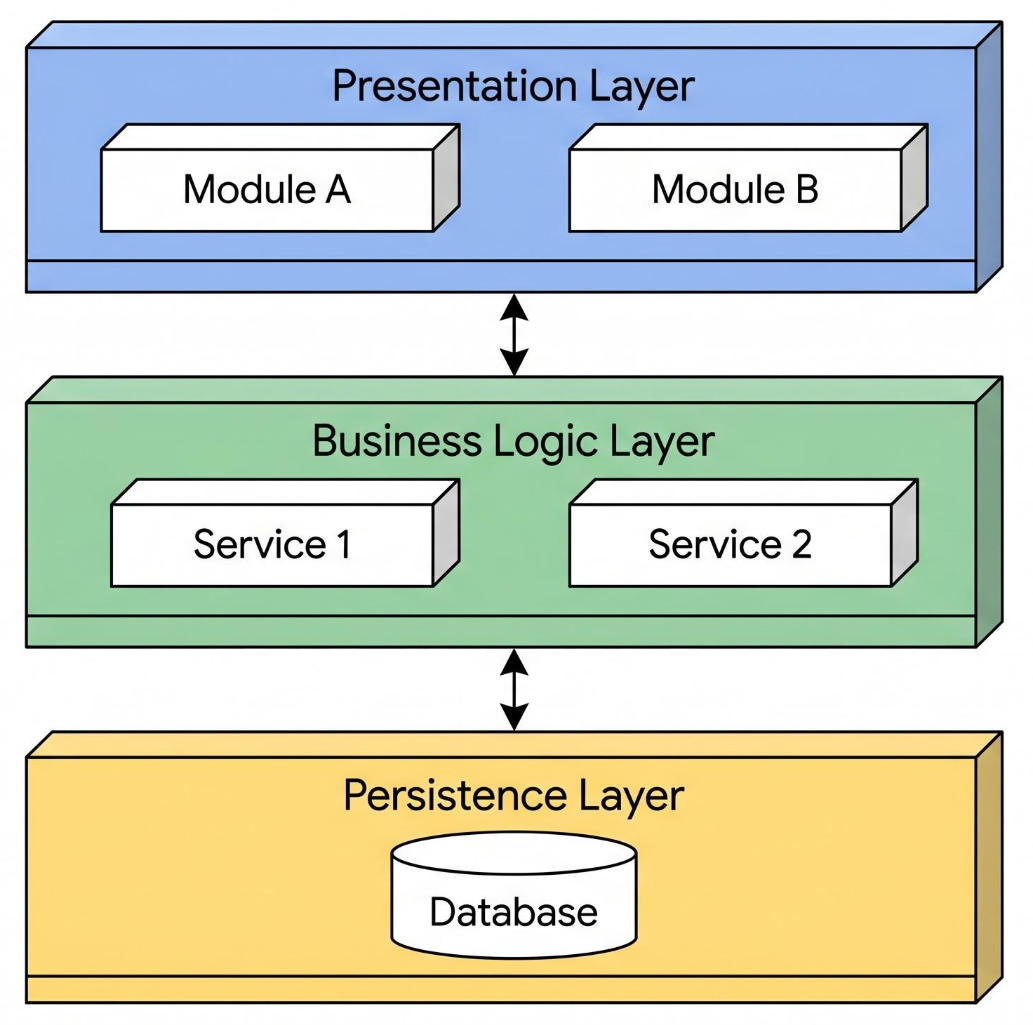
Coupling vs. Cohesion: True modularity requires high cohesion (keeping related things together) and low coupling (preventing unrelated things from depending on each other). Predicting how a change in module A will ripple into module B requires mental simulation that quickly overwhelms working memory.
-
The Inertia of Monoliths: Refactoring a messy file feels risky. It is always easier to add one more
ifstatement to an existing function than to pause, step back, and redesign the architecture. Over time, codebases rot because proper modularity requires relentless, exhausting discipline.
Why LLMs Excel at Modularity
If humans find boundaries exhausting, why do AI coding assistants and LLMs slice up codebases so cleanly? It comes down to how they “think” and what they have seen.
1. They Have Read Every Architecture Ever Written
An LLM has processed billions of lines of open-source repositories, design patterns, and enterprise codebases. It doesn’t have personal fatigue or emotional attachment to a messy file. When asked to design a system, it defaults to statistical patterns of ideal modularity—pulling from decades of collective engineering wisdom on how to separate concerns cleanly.
2. Pattern Matching Over Pure Abstraction
When you ask an LLM to refactor a monolithic file into modular pieces, it doesn’t “reason” about architecture the way an architect does; instead, it pattern-matches responsibility boundaries. It instantly recognizes: “This chunk handles HTTP routing, this chunk handles data validation, and this chunk handles SQL queries.” It carves them apart into distinct files (routes.ts, validator.ts, db.ts) with crisp, well-typed interfaces because those boundaries are deeply embedded in its training data.
3. Zero Emotional Resistance
An LLM will never look at a 1,500-line file and think, “Ugh, rewriting this will take too long, I’ll just patch it.” It treats code purely as a text-transformation problem. It can completely restructure a messy component into a pristine, multi-file module in seconds without taking shortcuts.
The Takeaway for Beginner Engineers
Modularity is hard because it forces you to design for the unknown future rather than the immediate present.
The secret superpower of working with AI tools isn’t just letting them write code for you—it’s using them as an architectural mirror. When you find yourself writing a sprawling, messy file, ask an LLM to break it down into modular components and explain why it drew the lines where it did. By studying how the model isolates responsibilities, you train your own engineering intuition for where software boundaries should live.
Be a Nerd, Not a Bird: The Case for Depth in a Culture of Shortcuts
Be a Nerd, Not a Bird: The Case for Depth in a Culture of Shortcuts
We live in a culture obsessed with velocity. From 30-second video clips and summarized book chapters to AI-generated answers that require zero synthesis, modern life is engineered to help us skim the surface of everything while retaining almost nothing. We want the credential without the coursework, the output without the compilation time, and the victory without the struggle.
It is a world built for birds—creatures that fly high above the landscape, catching brief glimpses of everything, touching down only long enough to grab what is easy, and then moving on to the next bright, shiny object.
But every once in a while, a kid looks up from a workbench, a book, or a tangled mess of code and cuts straight through the noise with a piece of profound wisdom: “Be a nerd, not a bird.”
The Anatomy of the Bird
What does it mean to be a “bird” in the modern intellectual landscape?
Birds are the shortcut artists. They are the ones who read the SparkNotes instead of the novel, copy the code snippet from Stack Overflow without understanding the memory leak it introduces, and cheat on the test just to secure the metric. Their primary goal is optimization for compliance, not comprehension.
On the surface, the bird looks efficient. They glide over heavy texts, hit deadlines by the skin of their teeth, and can bullshit their way through a surface-level conversation about almost any topic. But their mental architecture is made of balsa wood.
When a real crisis hits—when the production server goes down at 3:00 AM, when an unexpected edge case shatters their assumptions, or when they are handed a problem that cannot be solved by a multiple-choice guess—the bird panics. Because they never built the foundation, they have nothing to fall back on. They spent their lives flying above the work, and now they have nowhere to land.
The Power of the Nerd
The nerd, on the other hand, is entirely unfazed by the glamour of the flight. They are down in the trenches.
To be a nerd is to be radically curious. It means looking at a system—whether it’s a vintage mechanical watch, a complex philosophy text, or a recursive algorithm—and refusing to look away until you understand the underlying mechanics. Nerds read the supplementary material. They dig into the errata sheets. They look at a failure not as an annoyance to be bypassed, but as a diagnostic puzzle begging to be solved.
While the bird asks, “What do I need to click to make the error go away?” the nerd asks, “Why did the state machine enter that invalid state in the first place?”
This distinction matters because depth compounds. A person who understands first principles can adapt to any new technology, any sudden market shift, or any complex challenge. They don’t just memorize solutions; they manufacture them.
Extracting Signal from Every Experience
The phrase “be a nerd, not a bird” is more than just a clever playground aphorism—it’s an operating philosophy for life. It tells us that true satisfaction doesn’t come from getting away with the shortcut. It comes from the quiet, sometimes grueling satisfaction of understanding how things actually work.
Every single experience we encounter is an opportunity for diagnostic depth. We can choose to skim the surface, nod along, and collect cheap wins. Or we can dive deep, get our hands dirty, and build something that lasts.
Next time you’re faced with a choice between the easy exit and the deep dive, remember which creature you want to be. Stop flying in circles. Land on the problem, open it up, and start building from the metal up.
ps5 controller in rust
Architectural Specification & Implementation Thesis: Deterministic Multi-Modal Real-Time Control & Audio Interfacing with the Sony PlayStation 5 DualSense Controller in Rust
1. Executive Summary & System Architecture Overview
Interfacing modern hardware peripherals like the Sony PlayStation 5 DualSense controller in a low-level, systems-programming environment (specifically bare-metal or systems-level Rust) requires navigating a fundamental architectural dichotomy: dual-subsystem routing.
The DualSense does not present itself to a host operating system as a monolithic driver endpoint. Instead, the OS partitions its functionality into two distinct hardware abstraction layers:
* The Audio Subsystem (USB Audio Class / UAC): The controller’s built-in microphone array, 3.5mm headset jack, and internal mono speaker appear to the host kernel (ALSA, PulseAudio, PipeWire, WASAPI, CoreAudio) as standard USB sound cards. Audio input and output streams operate via continuous, low-latency PCM buffers managed by host audio drivers.
* The Control & Telemetry Subsystem (Human Interface Device / HID): Button states, analog sticks, capacitive touchpads, adaptive trigger motors, LED lighting matrices, and the 6-axis IMU (gyroscope and accelerometer) communicate via raw USB or Bluetooth HID feature reports.
┌────────────────────────────────────────────────────────────────────────┐
│ DualSense Hardware Unit │
├───────────────────────────────┬────────────────────────────────────────┤
│ UAC Audio Interface │ HID Control Interface │
│ (Mic Input & Speaker Output) │ (Buttons, Triggers, 6-Axis IMU) │
└──────────────┬────────────────┴───────────────────┬────────────────────┘
│ │
▼ ▼
┌────────────────────
│ │
▼ ▼
┌───────────────────────┐ ┌───────────────────────┐
│ `cpal` Engine │ │ `hidapi` Engine │
│ (Duplex PCM Streams) │ │ (HID Input Reports) │
└──────────┬────────────┘ └──────────┬────────────┘
│ │
▼ (Lock-Free SPSC Ring Buffers) ▼ (Worker Threads)
┌───────────────────────────────────────────────────────────────────────┐
│ Rust Application Processing Core │
│ (Voice Activity Detection, Kinematics, Command Parser) │
└───────────────────────────────────────────────────────────────────────>
To build a deterministic, zero-allocation real-time engine in Rust, we must decouple these subsystems into isolated asynchronous worker threads bound together by lock-free Single-Producer Single-Consumer (SPSC) ring buffers. This prevents jitter, thread contention, and audio dropouts under heavy telemetry polling loads.
2. Subsystem 1 — Bidirectional Full-Duplex Audio Pipeline
Audio capture and playback on the DualSense require precise sample-rate management (typically native 48kHz stereo/mono) and strict buffer management to prevent hardware underruns and overflows.
2.1 The Capture Pipeline (Microphone / Headset Input)
The host audio callback runs on a high-priority real-time thread managed by the audio backend (cpal). Inside this callback, any blocking operation, memory allocation, or syscall will cause audible dropouts (“pops” and “clicks”).
To eliminate this, incoming PCM samples are pushed immediately into a lock-free ring buffer (ringbuf crate). A separate background worker thread consumes these samples, evaluates Root-Mean-Square (RMS) energy for Voice Activity Detection (VAD), and dispatches speech payloads to local command parsers.
2.2 The Streaming Pipeline (Speaker / Headset Output)
Conversely, audio generated by text-to-speech (TTS) engines, network streams, or synthesized feedback cues is pushed into an output ring buffer. The cpal hardware callback drains this ring buffer just-in-time to feed the controller’s digital-to-analog converter (DAC). If the ring buffer runs dry due to a stuttering application thread, the callback safely injects zero-voltage silence to prevent buffer corruption.
3. Subsystem 2 — High-Frequency IMU & HID Telemetry Decoding
The DualSense houses an onboard 6-axis Inertial Measurement Unit comprising a 3-axis accelerometer and a 3-axis gyroscope streaming at rates up to 250Hz.
3.1 Raw USB Report Parsing
When connected via a wired USB-C link (strongly recommended over Bluetooth to avoid RF bandwidth saturation when running simultaneous duplex audio and high-rate motion reports), the controller emits standard 64-byte USB input reports starting with Report ID 0x01.
Extracting raw telemetry requires parsing 16-bit little-endian signed integers from precise byte offsets:
* Gyroscope (Pitch, Yaw, Roll): Bytes 16 through 21.
* Accelerometer (X, Y, Z): Bytes 22 through 27.
4. Unified Production-Grade Rust Implementation
The following complete, compilable Rust program integrates HID IMU polling, bidirectional audio capture, audio chunk streaming, and lock-free ring buffering into a single thread-safe engine.
Cargo Dependencies (Cargo.toml)
[package]
name = “dualsense_thesis_engine”
version = “0.1.0”
edition = “2021”
[dependencies]
cpal = “0.15”
ringbuf = “0.3”
hidapi = “2.4”
anyhow = “1.0”
Complete Implementation (src/main.rs)
use cpal::traits::{DeviceTrait, HostTrait, StreamTrait};
use cpal::{StreamConfig};
use hidapi::HidApi;
use ringbuf::HeapRb;
use std::sync::atomic::{AtomicBool, Ordering};
use std::sync::Arc;
use std::thread;
use std::time::Duration;
const VENDOR_ID_SONY: u16 = 0x054C;
const PRODUCT_ID_DUALSENSE: u16 = 0x0CE6;
/// Parsed 6-axis IMU telemetry frame
#[derive(Debug, Default, Clone, Copy)]
pub struct DualSenseIMU {
pub gyro_pitch: i16,
pub gyro_yaw: i16,
pub gyro_roll: i16,
pub accel_x: i16,
pub accel_y: i16,
pub accel_z: i16,
}
/// Comprehensive Multi-Modal DualSense Engine
struct DualSenseEngine {
sample_rate: u32,
channels: u16,
is_running: Arc
}
impl DualSenseEngine {
fn new() -> Self {
Self {
sample_rate: 48000,
channels: 2,
is_running: Arc::new(AtomicBool::new(true)),
}
}
/// Helper to locate DualSense audio input and output sound cards explicitly
fn find_dualsense_audio_devices() -> (cpal::Device, cpal::Device) {
let host = cpal::default_host();
let mut input_dev = None;
let mut output_dev = None;
if let Ok(devices) = host.input_devices() {
for device in devices {
if let Ok(name) = device.name() {
if name.contains(“DualSense”) || name.contains(“Wireless Controller”) {
input_dev = Some(device);
break;
}
}
}
}
if let Ok(devices) = host.output_devices() {
for device in devices {
if let Ok(name) = device.name() {
if name.contains(“DualSense”) || name.contains(“Wireless Controller”) {
output_dev = Some(device);
break;
}
}
}
}
let input = input_dev.unwrap_or_else(|| {
host.default_input_device().expect(“No default audio input device found”)
});
let output = output_dev.unwrap_or_else(|| {
host.default_output_device().expect(“No default audio output device found”)
});
(input, output)
}
pub fn run(&mut self) -> Result<(), Box
println!(“Initializing DualSense Multi-Modal Real-Time Engine…”);
let (input_device, output_device) = Self::find_dualsense_devices();
println!(“-> Audio Input Device: {}”, input_device.name()?);
println!(“-> Audio Output Device: {}”, output_device.name()?);
let config: StreamConfig = StreamConfig {
channels: self.channels,
sample_rate: cpal::SampleRate(self.sample_rate),
buffer_size: cpal::BufferSize::Default,
};
// —————————————————————–
// Ring Buffer Setup (Lock-Free SPSC)
// —————————————————————–
let rb_capacity = (self.sample_rate as usize) * (self.channels as usize) * 5; // 5s headroom
// Input Ring Buffer (Mic Capture -> VAD Processor)
let in_rb = HeapRb::
let (mut in_producer, mut in_consumer) = in_rb.split();
// Output Ring Buffer (Stream Generator -> Controller Speaker)
let out_rb = HeapRb::
let (mut out_producer, mut out_consumer) = out_rb.split();
// —————————————————————–
// Build & Start CPAL Input Stream (Microphone)
// —————————————————————–
let input_stream = input_device.build_input_stream(
&config,
move |data: &[f32], _: &cpal::InputCallbackInfo| {
let _ = in_producer.push_slice(data);
},
|err| eprintln!(“Audio input error: {}”, err),
None,
)?;
input_stream.play()?;
println!(“-> Microphone capture stream active.”);
// —————————————————————–
// Build & Start CPAL Output Stream (Speaker)
// —————————————————————–
let output_stream = output_device.build_output_stream(
&config,
move |data: &mut [f32], _: &cpal::OutputCallbackInfo| {
let popped = out_consumer.pop_slice(data);
for sample in &mut data[popped..] {
*sample = 0.0; // Fill underrun with silence
}
},
|err| eprintln!(“Audio output error: {}”, err),
None,
)?;
output_stream.play()?;
println!(“-> Speaker output stream active.”);
// —————————————————————–
// Spawn Background Worker Threads
// —————————————————————–
let flag_vad = Arc::clone(&self.is_running);
let vad_handle = thread::spawn(move || {
let mut chunk = vec![0.0f32; 512];
while flag_vad.load(Ordering::Relaxed) {
let count = in_consumer.pop_slice(&mut chunk);
if count > 0 {
let rms = calculate_rms(&chunk[..count]);
if rms > 0.02 {
println!(“[VAD] Voice command energy detected! RMS: {:.4}”, rms);
}
}
thread::sleep(Duration::from_millis(5));
}
});
let flag_stream = Arc::clone(&self.is_running);
let sample_rate = self.sample_rate;
let stream_handle = thread::spawn(move || {
let mut seed = 0usize;
while flag_stream.load(Ordering::Relaxed) {
let chunk = generate_synth_tone(sample_rate as usize, 2, seed);
let mut pushed = 0;
while pushed < chunk.len() && flag_stream.load(Ordering::Relaxed) {
let n = out_producer.push_slice(&chunk[pushed..]);
pushed += n;
if n == 0 {
thread::sleep(Duration::from_millis(10));
}
}
seed += 1;
thread::sleep(Duration::from_millis(100));
}
});
let flag_imu = Arc::clone(&self.is_running);
let imu_handle = thread::spawn(move || {
let hid_api = match HidApi::new() {
Ok(api) => api,
Err(e) => {
eprintln!(“[IMU] HID initialization failed: {}”, e);
return;
}
};
let device = match hid_api.open(VENDOR_ID_SONY, PRODUCT_ID_DUALSENSE) {
Ok(dev) => {
println!(“[IMU] Connected to DualSense HID telemetry interface.”);
dev
}
Err(e) => {
eprintln!(“[IMU] Device not found over HID: {}. Ensure wired USB connection.”, e);
return;
}
};
let mut buf = [0u8; 64];
while flag_imu.load(Ordering::Relaxed) {
match device.read_timeout(&mut buf, 10) {
Ok(n) if n > 0 => {
if let Some(imu) = parse_hid_imu_report(&buf[..n]) {
// Telemetry available for kinematics or gesture routing
// println!(“Gyro [P: {}, Y: {}, R: {}]”, imu.gyro_pitch, imu.gyro_yaw, imu.gyro_roll);
}
}
Ok(_) => {}
Err(e) => {
eprintln!(“[IMU] Read error: {}”, e);
thread::sleep(Duration::from_millis(100));
}
}
}
});
println!(“\nEngine operational. Press Ctrl+C to exit.\n”);
loop {
thread::sleep(Duration::from_secs(1));
}
}
}
/// Compute Root Mean Square for Voice Activity Detection
fn calculate_rms(samples: &[f32]) -> f32 {
if samples.is_empty() { return 0.0; }
let sum: f32 = samples.iter().map(|s| s * s).sum();
(sum / samples.len() as f32).sqrt()
}
/// Generate synthesized sinusoidal test blocks for speaker streaming
fn generate_synth_tone(sample_rate: usize, channels: u16, seed: usize) -> Vec
let chunk_size = sample_rate / 10; // 100ms blocks
let mut chunk = vec![0.0f32; chunk_size * (channels as usize)];
let freq = 440.0;
for (i, sample) in chunk.iter_mut().enumerate() {
let frame_idx = i / (channels as usize);
let t = (seed * chunk_size + frame_idx) as f32 / sample_rate as f32;
let env = (-((i % chunk_size) as f32 / chunk_size as f32) * 3.0).exp();
*sample = (t * freq * 2.0 * std::f32::consts::PI).sin() * 0.05 * env;
}
chunk
}
/// Decode raw HID USB input report for 6-axis IMU data
fn parse_hid_imu_report(report: &[u8]) -> Option
if report.len() < 48 || report[0] != 0x01 {
return None;
}
let gyro_pitch = i16::from_le_bytes([report[16], report[17]]);
let gyro_yaw = i16::from_le_bytes([report[18], report[19]]);
let gyro_roll = i16::from_le_bytes([report[20], report[21]]);
let accel_x = i16::from_le_bytes([report[22], report[23]]);
let accel_y = i16::from_le_bytes([report[24], report[25]]);
let accel_z = i16::from_le_bytes([report[26], report[27]]);
Some(DualSenseIMU {
gyro_pitch,
gyro_yaw,
gyro_roll,
accel_x,
accel_y,
accel_z,
})
}
fn main() {
let mut engine = DualSenseEngine::new();
if let Err(e) = engine.run() {
eprintln!("Fatal error: {}", e);
}
}
5. Engineering Considerations & Deterministic Optimization
* Physical Layer Constraints: Operating over USB-C ensures uncompressed bi-directional 48kHz audio streams coexist alongside 250Hz HID IMU reporting without packet loss. Bluetooth stacks introduce significant scheduling jitter and bandwidth contention when attempting simultaneous duplex audio and high-rate feature reports.
* Memory Safety: By leveraging ringbuf, memory allocation occurs strictly at initialization (HeapRb::new()), ensuring zero heap allocations inside real-time audio and telemetry callback loops.
Sony Digital Recorder DASH PCM-3348 48 Track Tape Machine Head Stack