Altec Lansing Flamenco spekers

the Altec Lansing 848A Flamenco is a highly revered vintage speaker system from the “golden era” of home hi-fi. Produced side-by-side with its sister model, the Valencia, from the mid-1960s to the mid-1970s, the Flamenco was designed to bring Altec’s legendary, massive “Voice of the Theater” (VOTT) cinematic sound into domestic living rooms.
Here is a breakdown of what makes the Flamenco speakers so notable:

Key Components & Specifications
Acoustic Lineage: The Flamenco relies on the same core components found in the famous A7 Voice of the Theater systems, repackaged in a domestically acceptable cabinet.
Woofer: Features the massive 15-inch Altec 416-Z bass driver, known for its effortless and natural low-end reproduction.
High-Frequency Array: Utilizes the 806A compression driver mated to an 811B aluminum multicell horn. This combination is famous for throwing an incredibly wide and dynamic soundstage.

Crossover: The signal is divided by the passive N-800F crossover network at 800 Hz.
Efficiency: They boast an incredibly high sensitivity (around 100 dB SPL), meaning they can be driven to room-filling volumes with as little as 1 to 5 watts of power.
Impedance: Early, highly desirable iterations were 16-ohm systems.

Design and Aesthetics
While Altec’s industrial speakers were purely utilitarian, the Flamenco was meant to be a piece of premium furniture.
Cabinetry: Constructed with an oak veneer (in contrast to the Valencia’s walnut finish).

The Grille: The most distinguishing feature of the Flamenco is its ornate, neo-Moorish or Spanish-style lattice grille. Described by Altec as “simulated wrought iron,” this dark grille gives the speaker a very bold, vintage aesthetic that provides a stark contrast to modern, minimalist audio gear.
Construction: The Flamenco featured heavy interior damping padding on all sides and a fully solid base to reduce cabinet resonance.

Why Audiophiles Love Them Today
Because of their extreme efficiency, Flamencos are highly sought after by fans of low-wattage Single-Ended Triode (SET) tube amplifiers. When paired with high-quality tube amplification, these speakers deliver a massive sense of scale, life-like vocal presence, and a dynamic energy that modern, narrow tower speakers often struggle to replicate.

Reference of Audio Metering

The Master Reference of Audio Metering

Audio metering serves two distinct masters: Psychoacoustics (how loud the human ear perceives sound) and Electrical Limits (how much voltage the equipment can handle). No single meter can do both perfectly.

This document compiles the ballistics, scales, visual ergonomics, and technical implementations of the world’s major audio metering standards.

Continue reading

MDP – Multi Dimensional Panner

MDP – Multi Dimensional Panner

Demo: https://like.audio/MDP/

## Overview

The **Multi-Dimensional Panner (MDP)** is an advanced user interface concept designed for spatial audio mixing, object-based panning (e.g., Dolby Atmos), and complex parameter control. It extends the traditional “Linear Travelling Potentiometer” (LTP) by placing it within a free-floating, rotatable widget on a 2D plane.

Continue reading

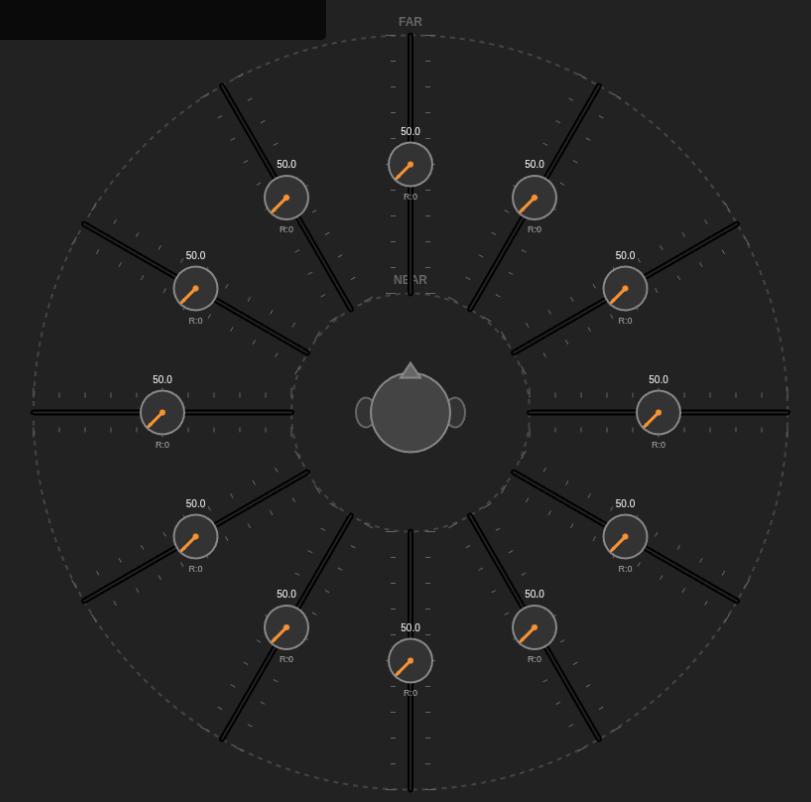
CMDP: Circular Motion Displacement Potentiometer

CMDP: Circular Motion Displacement Potentiometer

DEMO: http://like.audio/CMDP

# CMDP: Circular Motion Displacement Potentiometer

Overview
The **Circular Motion Displacement Potentiometer (CMDP)** is a novel user interface concept designed for spatial audio mixing, microphone array management, and multidimensional sound control. It combines the precision of linear faders with the intuitive spatial organization of a polar coordinate system, allowing users to visualize and manipulate sound sources in a 360-degree field.


Continue reading

The “Backpack Cinema”: Creating a Portable 22.4 Immersive Studio with USB

The “Backpack Cinema”: Creating a Portable 22.4 Immersive Studio with USB

Immersive audio is currently stuck in the “Mainframe Era.” To mix in true NHK 22.2 or Dolby Atmos, you traditionally need a dedicated studio, heavy trussing for ceiling speakers, and racks of expensive amplifiers. It is heavy, static, and incredibly expensive.


Continue reading

Immersive audio demonstration recordings

From Artist’s Intent to Technician’s Choice

In a world full of immersive buzzwords and increasingly complex production techniques, the recording artist’s original intentions can quickly become filtered through the lens of the technician’s execution.

I’ve been thinking about this a lot recently. I just acquired something that powerfully inspired my career in music—a piece of music heard the way it was truly intended before we fully grasped how to record and mix effectively in stereo. It was raw, immediate, and utterly captivating.

I feel we’re in a similar transition zone right now with immersive content production. We’re in the “stereo demo” phase of this new sonic dimension. We’re still learning the rules, and sometimes, the sheer capability of the technology overshadows the artistic purpose. The power of immersive sound shouldn’t just be about where we can place a sound, but where the story or the emotion demands it.

It brings me back to the core inspiration.

Recording studio Survival Guide

When it comes to recording studios, it’s easy to obsess over gear—the mics, preamps, monitors, and plugins that shape your sound. But while equipment is critical, it’s often the overlooked details that make or break a session. A forgotten cable, an overheated amp, or even a lack of snacks can grind the creative process to a halt. That’s where this Studio Survival Guide comes in. It’s a practical checklist for everything beyond the gear—cleaning supplies, tools, food, and creature comforts—that keeps sessions running smoothly and everyone focused on making great music. Whether you’re a seasoned engineer or a first-time studio owner, this guide ensures you’re prepared for anything, so the session never skips a beat.

Cleaning Supplies

  • Cable ties (for organizing cables)
  • Compressed air cans (for cleaning gear)
  • Contact cleaner/lube (for maintaining electrical contacts)
  • Deodorant (for personal hygiene during long sessions)
  • Dust covers (for protecting equipment not in use)
  • Fingernail clippers (for personal grooming)
  • First aid kit (for emergencies)
  • Javex, mop, broom (for cleaning floors and surfaces)
  • Light bulbs (for replacing burnt-out lights)
  • Microfiber cloths (for cleaning delicate surfaces like screens or instruments)
  • Mouthwash (for freshening breath)
  • Q-tips (for detailed cleaning of gear or instruments)
  • Rubbing alcohol (for cleaning and disinfecting)
  • Sink (for general cleaning and handwashing)
  • Towel per person (for personal use or spills)
  • Washroom Stock  (for personal hygiene and convenience)

Food

  • Apple juice (for hydration or snacks)
  • Aspirin or Tylenol (for headaches or minor pain)
  • Bottle of scotch (for celebratory or relaxing moments)
  • Breath mints (for freshening breath)
  • Candy, fruit, nuts, sodas, bottled water (for snacks and refreshments)
  • Coffee grinder and beans (for fresh coffee preparation)
  • Condiments (for enhancing food)
  • Cough drops (for soothing sore throats)
  • Drugs (medicinal, herbal, recreational) (as appropriate for the session)
  • Glasses (one per person) (for drinks)
  • Lemon juice, coffee (with all the fixings), tea, herbal tea (for beverages)
  • Local restaurant menu book (for ordering takeout)
  • Microwave or toaster oven (for cooking/warming food)
  • Mini freezer (for ice or frozen snacks)
  • Non-alcoholic beverage alternatives (e.g., sparkling water or mocktails)
  • Plates (for serving food)
  • Reusable water bottles (to reduce waste)
  • Silverware (for eating meals)
  • Snacks for dietary restrictions (e.g., gluten-free, vegan options)

Furnishings

  • Ashtrays (if smoking is permitted)
  • Chairs for everyone (for seating during sessions)
  • Coat rack (for storing outerwear)
  • Comfortable seating (e.g., ergonomic chairs for extended sessions)
  • Eating area (tables and chairs) (for meals or breaks)
  • GOBOs/Soundproof curtains (for windows or additional isolation)
  • Humidifier, possibly air cleaner (for maintaining air quality)
  • Mirror (for personal grooming or visual checks)
  • Mood lighting (to set the vibe for creative work)
  • Music stands with clip-on lights (for holding sheet music)
  • Office dividers (used as ISO dividers for sound separation)
  • Portable heater (for maintaining warmth in cooler environments)
  • Rugs, candles, and lights (for creating a comfortable atmosphere)
  • A small fridge or cooler (to keep perishable items fresh)
  • Storage solutions (bins, shelves for cables and accessories)
  • Waste bins and recycling containers (for managing trash and recyclables)

Gear

  • Adapters and patch cables (RCA, XLR, 1/4″) (for connecting various gear)
  • Backup hard drives (for session safety and data backup)
  • Extra vacuum tubes (for tube-based equipment)
  • Ground lift adapters (for troubleshooting hum and grounding issues)
  • Headphone amps/distributors (for multiple users to monitor audio)
  • Power conditioners or surge protectors (to protect equipment from power surges)
  • Snakes (for connecting gear to the patch bay)
  • Splicing tape and edit block (for tape editing and repair)
  • Studio monitor isolation pads (to reduce vibration and improve sound accuracy)
  • Test tone generator (for calibration and troubleshooting)

Instrument supply

  • Guitars

    • Baby powder (cornstarch-based) (for reducing hand friction while playing)
    • Capo (for changing the pitch of the guitar)
    • Extra guitar patch cables (for connecting guitars to amplifiers or pedals)
    • Guitar stands (for safely holding guitars when not in use)
    • Guitar strings (nylon, acoustic, electric, and bass) (for replacements)
    • Picks (for playing)
    • Slide (for slide guitar techniques)
    • Straps (for comfortable guitar playing while standing)
  • Drums

    • Drum dampening gels or rings (for controlling overtones and resonance)
    • Drum key (for tuning drums)
    • Extra drumheads (for replacements during sessions)
    • Extra drumsticks (for replacements or variety in playing styles)
    • Lug lube (for maintaining tension rods and smooth tuning)
    • Metronome or drum machine (for keeping time)
    • Percussion mallets and brushes (for different tonal textures)
    • Various-sized cymbal felts, nylon cymbal sleeves, snare cords, tension rod washers (for maintaining drum hardware)
  • Chromatic tuner (for tuning instruments accurately)
  • Keyboard stand(s) (for securely holding keyboards)
  • Keyboard sustain pedals (for expressive keyboard playing)
  • Violin rosin (for maintaining bow grip if working with string players)

Office Supplies

  • Backup players (for covering absent musicians)
  • Blank CDRs (for storing recordings or sharing sessions)
  • Business cards (for networking opportunities)
  • City map (for navigating the area)
  • Clothespins or clamps (for holding papers or securing cables)
  • Decent restaurants that deliver (menus on hand) (for ordering meals)
  • Debit/credit card terminal (for client payments)
  • Dry-erase board with markers (for tracking or brainstorming)
  • Good restaurant list (for dining recommendations)
  • Good rolodex of numbers (for contacts like clients, vendors, and repair people)
  • Graph paper (for sketching layouts or diagrams)
  • Guitar Player, Bass Player, Modern Drummer (magazine subscriptions) (for inspiration or industry insights)
  • Label maker (for organizing cables, drawers, or gear)
  • Large wall calendar (for scheduling studio time or tracking projects)
  • Manuals for all equipment (for troubleshooting and reference)
  • Music staff paper (for writing out parts/arrangements)
  • Notepad (for jotting down lyrics, cues, or notes)
  • Pens, pencils, highlighters, and Sharpie markers (for writing and marking)
  • Repair people (contact information for equipment repairs)
  • Rental companies (for gear or equipment rentals)
  • Track sheets (for organizing session details)
  • USB drives or external SSDs (for data backup and transfer)
  • Vacuum (for cleaning the studio)
  • Whiteout (for correcting written errors)

Tools

  • Blue masking tape (for marking spots on the floor)
  • Cable tester/DMM (for testing and troubleshooting cables)
  • Console labeling tape (for marking controls or sections on the console)
  • Crimping tool and connectors (for making custom cables)
  • Digital multimeter (for measuring voltage, current, and resistance)
  • Earplugs (for hearing protection during loud sessions)
  • Fire extinguisher (for safety precautions)
  • Flashlight (for working in dimly lit areas)
  • Gaffer tape (for securing cables and other temporary fixes)
  • Heat gun (for shrink-wrapping or repairs)
  • Matches or a lighter (for igniting or emergency use)
  • Miscellaneous portable fans (for ventilation during long sessions)
  • Multi-tool, screwdriver set, socket set, and soldering/wiring tools (for general repairs and maintenance)
  • Portable phone chargers (for clients or band members)
  • Razor blades (for precise cutting tasks)
  • Roomba (for autonomous cleanup)
  • Safety goggles (for soldering or repairs)
  • Sandpaper (for smoothing surfaces or cleaning contacts)
  • Small step ladder (for reaching high shelves or fixing lights)
  • Small vacuum cleaner (for detailed cleaning)
  • Spare fuses (for outboard gear or amplifiers)
  • Stud finder (for securely mounting or hanging gear)
  • Tape (for general use)
  • Tester (RCA, XLR, 1/4 with polarity checker) (for verifying cable connections)
  • Thermal camera (for locating overheating gear)
  • WD-40 and 3-in-1 oil (for lubricating and maintaining equipment)
  • Weather stripping (for sealing gaps to improve sound isolation)

The last meter

Quote

“The last meter” refers to the final connection between an audio device, such as a microphone, headphones, or speakers, and the larger sound system or network. Just as “the last mile” in telecommunications represents the crucial final stretch that delivers service to the end user, “the last meter” in audio engineering highlights the importance of the final cable or wire, which directly impacts the quality and reliability of the sound being transmitted. Despite its short length, this connection is critical for ensuring the integrity of the overall sound system.

Staccato Drum set

OLYMPUS DIGITAL CAMERA

OLYMPUS DIGITAL CAMERA

OLYMPUS DIGITAL CAMERA

OLYMPUS DIGITAL CAMERA

OLYMPUS DIGITAL CAMERA

OLYMPUS DIGITAL CAMERA

OLYMPUS DIGITAL CAMERA

OLYMPUS DIGITAL CAMERA

OLYMPUS DIGITAL CAMERA

OLYMPUS DIGITAL CAMERA

OLYMPUS DIGITAL CAMERA

OLYMPUS DIGITAL CAMERA

OLYMPUS DIGITAL CAMERA

OLYMPUS DIGITAL CAMERA

OLYMPUS DIGITAL CAMERA

OLYMPUS DIGITAL CAMERA

OLYMPUS DIGITAL CAMERA

OLYMPUS DIGITAL CAMERA

Arduino Project – Digitally Controlled Analog Surround Sound Panning – Open Source

For your enjoyment:

Digitally Controlled Analog Surround Sound Panning


Presentation:


Circuit Explination:


Presentation documents:

0 – TPJ – Technical Presentation

0 – TPJ556-FINAL report DCASSP-COMPLETE

0 – TPJ556-FINAL report DCASSP-SCHEMATICS V1


Project Source Code:

Continue reading